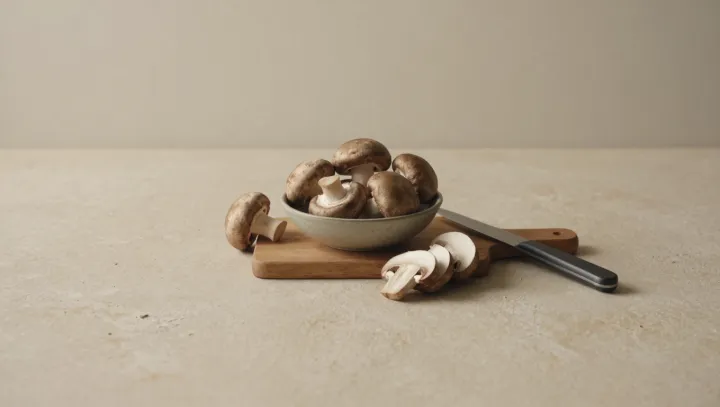
A chopping bowl can be more disruptive to appetite than any diet app. Once mushrooms pile up in it, their role shifts from garnish to infrastructure, quietly re‑engineering how full a meal feels without visibly changing the plate. Low on energy density yet high in water and fiber, they occupy stomach volume that would otherwise belong to starch or fat, and that physical distension feeds straight into gastric stretch receptors.
What looks like restraint is actually a clever swap. As mushrooms release water and form a dense matrix of cell walls, they slow gastric emptying and extend the post‑meal window in which ghrelin, the hunger hormone, stays suppressed. At the same time, their glutamate‑rich umami amplifies flavor intensity, tricking sensory‑specific satiety into arriving sooner, because the brain codes the bite as hearty even when the kilocalories are modest.
The real surprise is how aggressively volume scales. A handful sliced thin can double the bulk of ground meat in a pan, cutting the energy load per forkful while preserving texture through their mycelium‑derived structure and high water‑holding capacity. The bowl does not just collect a side; it becomes the staging ground where a so‑called diet food quietly seizes most of the real estate in the meal.