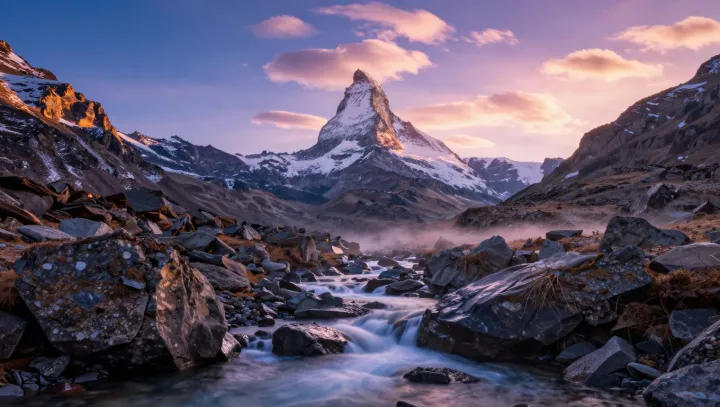
Cold is a terrible guide to power. That finger‑numbing torrent is not gentle at all; it is a conveyor belt for rock. Every second, dense meltwater loaded with sand, pebbles, and boulders slams along the channel bed, and that moving cargo, not the temperature, drives mechanical erosion of volcanic rock on a massive scale.
Hydrologists would argue that the stream is an engine, and they have the math to prove it. Stream power, the product of discharge and channel slope, stays high in steep volcanic terrain, so even a narrow flow can abrade basalt and andesite. Grains bounce and roll as bedload, a process called saltation, grinding pits and grooves, while suspended sediment acts like liquid sandpaper against banks and channel floor.
The apparent fragility of your fingers is a distraction. What matters is density contrast, hydraulic shear stress, and the relentless repetition of high‑flow events that move sediment from headwaters to valley floor. Over countless flow pulses, channels widen, cliffs undercut, and whole volcanic plateaus are dissected, all powered by water cold enough to make a brief visit feel unbearable.