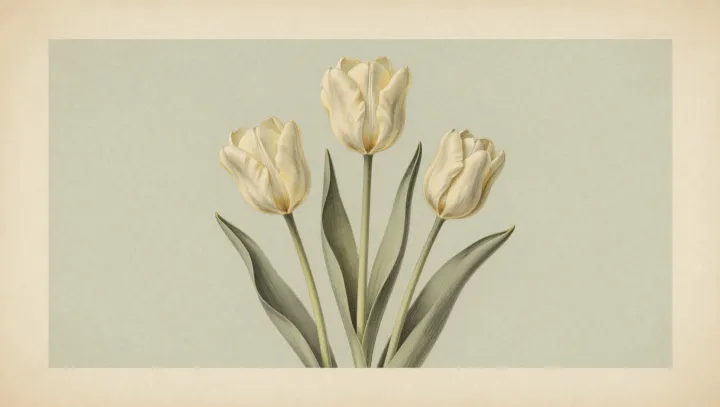
Beauty was never the culprit. Tulips became ordinary when growers turned scarce bulbs into repeatable stock, using vegetative propagation and clonal selection to widen supply; the flower did not fall from grace, it simply stopped behaving like a luxury good. Price followed.
Rarity, not loveliness, had done the commercial work. That is the uncomfortable point. Bulbs multiply through offsets, while seed propagation and selective breeding give growers ways to increase stock, stabilize traits, and distribute plants beyond collectors who once paid for scarcity as much as color. Supply elasticity changed the bargain. Once nurseries could produce dependable volume, competition pressed prices toward the costs of land, labor, storage, and transport rather than the premium attached to a hard-to-find bloom. No petal changed.
That outcome is often misread as decline. It was democratization, though commoditization may be the sharper word. As bulbs became routine inventory, retailers could sell the same visual pleasure without old gatekeeping, and buyers gained a spring ritual requiring neither inheritance nor speculative nerve. The old glamour did not vanish. It moved into the story people told about what could no longer command a fortune. A flower can remain exquisite and still become familiar; that small irony rests in every crowded vase.