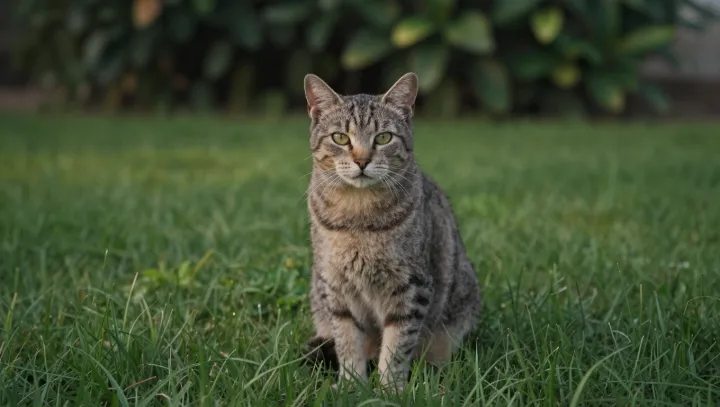
Grain dust spoke first. At the edge of early stores, where rodents turned harvest into loss, African wildcats found prey concentrated by human settlement, while people tolerated a hunter that reduced a costly infestation. It was no romance. The arrangement was mutual advantage, and the cat on the sofa remains its unlikely dividend.
That tale is too neat. This was commensalism, a slow association in which animals prosper beside people before anyone controls breeding; wildcats with shorter flight distances gained food, shelter, and reproductive opportunity near settlements. No leash was needed. Mitochondrial DNA traces maternal lineages, while nuclear DNA captures wider inheritance, and both help separate early affinity from the later selection that changed domestic behavior. The record stays partial. Yet the pattern favors gradual cohabitation over a single act of capture, because traits useful near people could spread without turning the animal into a herd creature.
Modern cats settle the argument. Compared with many domestic animals, they retain hunting routines, solitary impulses, and close genetic kinship with Felis lybica; altered fear response and later coat variation show selection, not a clean break from wild ancestry. The break was never clean. Archaeological burials that place people and cats together suggest that proximity became attachment, not merely pest control, and that the animal acquired social meaning alongside its work. The bargain endured. A small predator entered the household, then kept enough distance to make every sleeping cat seem faintly its own sovereign.