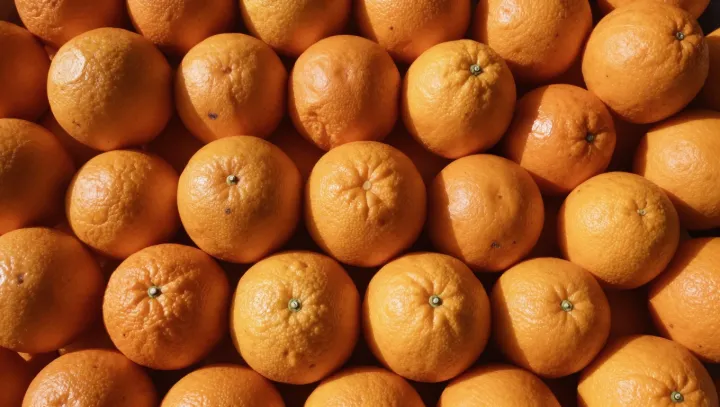
Orange peel deserves better. Beneath its fragrant surface sits pectin, a soluble fiber that escapes digestion in the small intestine and becomes food for bacteria farther along the digestive tract. Waste is the misnomer. What looks like kitchen refuse contains material that microbes can convert into compounds useful to the colon's lining.
The chemistry beats the hype. Through microbial fermentation, gut bacteria break down pectin and produce short-chain fatty acids, including acetate and propionate, while interactions among microbes can also contribute to butyrate production. Butyrate helps fuel colonocytes. These cells line the colon, where their energy supply helps maintain the intestinal barrier separating the body's tissues from the contents of the gut. Results are not uniform. The mix of compounds produced depends on the pectin's structure and the bacterial community doing the fermenting, so orange peel should not be treated as a predictable dose of any single beneficial molecule.
Restraint makes this more useful. A plausible biological mechanism does not establish that eating orange peel treats digestive disease, nor does it make peel superior to the many other foods that supply fermentable fiber. Preparation deserves some care. For culinary use, wash oranges thoroughly, use modest amounts of finely grated zest or prepared peel, and remember that zest alone is not a substantial fiber serving. The broader lesson is quieter. Alongside beans, oats, fruit and vegetables, citrus peel belongs to a familiar story in which material humans cannot digest becomes nourishment through the work of microbes. The bin closes too soon.