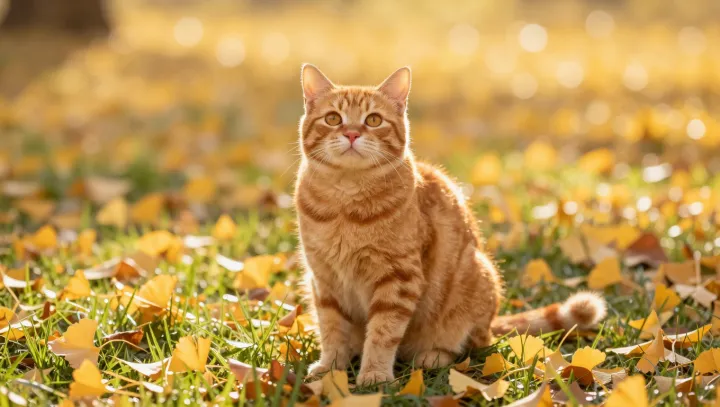
Sweetness is lost on cats. Although their tongues carry taste buds, cats lack a working version of TAS1R2, one of the genes needed to assemble the receptor that makes sugar taste sweet to many other mammals. The omission is remarkably specific. It does not leave cats without taste; it removes a sensory experience that humans often mistake for a universal pleasure.
The defect runs deeper. In mammals with sweet perception, the proteins T1R2 and T1R3 join as a heterodimer, a receptor whose activation starts the signaling process through which sweetness is perceived. Cats cannot complete that partnership. Their TAS1R2 is a pseudogene, containing disruptive mutations that prevent it from producing the functional T1R2 protein required for the usual sweet response. Other tastes remain available. This genetic finding fits behavioral evidence that cats do not show the sugar preferences seen in many mammals, while avoiding the mistaken claim that a cat's entire tongue is somehow insensitive.
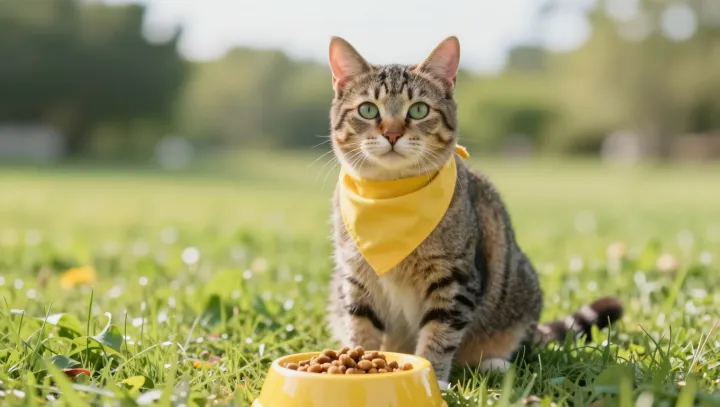
Dessert interest proves little. A cat investigating ice cream may be responding to fat, protein, smell or texture rather than sweetness, so enthusiasm at the bowl does not overturn the receptor biology. Diet offers context, not proof. Cats are obligate carnivores, whose nutritional needs depend on nutrients naturally supplied by animal tissues, but that fact alone cannot establish precisely why their ancestors lost sweet perception. The sugar remains unchanged. Beside a saucer, two mammals can encounter the same food and inhabit different sensory worlds.