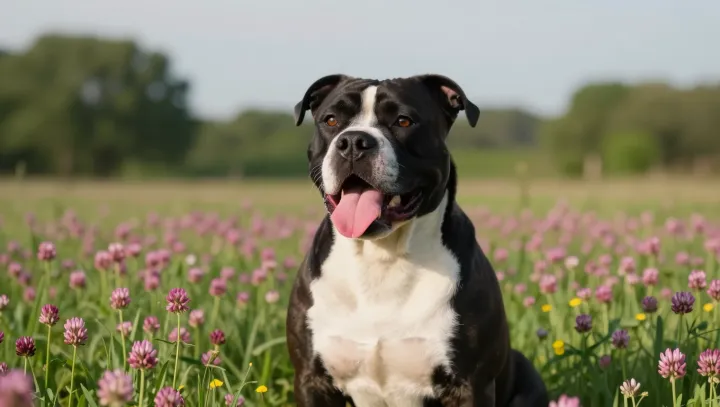
A wag is ambiguous. Although tail movement often accompanies greetings, it can also reflect physiological arousal when a dog feels conflicted, frustrated, or threatened rather than affectionate. Stillness deserves more attention. When a dog freely settles beside someone with loose muscles and an unguarded posture, that quiet choice can suggest comfort, trust, and attachment.
Context beats tail counting. Because wagging occurs across different emotional states, its meaning depends on the dog's posture, facial tension, surroundings, and response to whatever has caught its attention. Enthusiasm needs supporting evidence. A loose body and soft eyes can accompany friendly interest, whereas a rigid stance, fixed stare, or tightly closed mouth may suggest tension despite a moving tail. Distance can be kindness. If those signals appear together, giving the dog room and avoiding forced contact is safer than treating the wag as permission to approach or touch.
Quiet company carries weight. In attachment behavior, voluntary proximity can reflect a preference for a familiar companion, especially when a dog has other resting places available and no reward is being offered. Proximity is not proof. Warmth, habit, fatigue, or a comfortable cushion may also explain the choice, so repeated patterns tell more than any single afternoon spent beside a person. Affection need not perform. Beside the chair, where a dog can leave but instead lets its muscles soften and its eyes close, companionship may speak most clearly without moving at all.