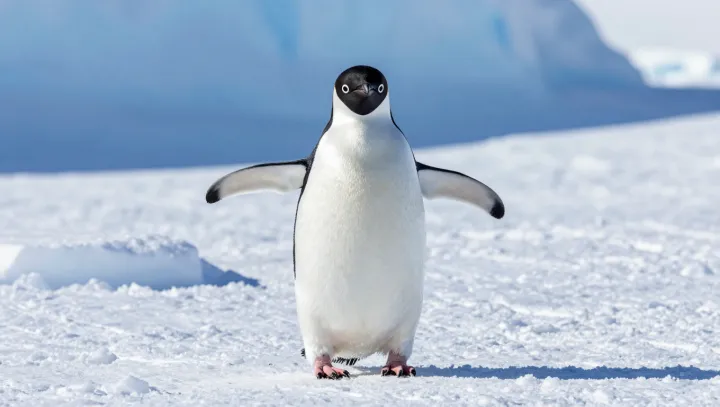
Smallness is a liability. For little penguins, which stand roughly 30 centimeters tall as adults, a relatively large surface area compared with body volume makes retaining warmth in chilly seawater an expensive business. Feathers change the equation. Their tightly packed plumage holds an insulating layer of air near the skin, reducing heat transfer into water that would otherwise steal warmth rapidly.
Waterproofing is not enough. Although preening helps maintain a water-resistant outer coat, the trapped air beneath it supplies much of the insulation, while a layer of subcutaneous fat adds another barrier against heat loss. Depth imposes a penalty. As pressure increases during a dive, the air layer compresses, reducing its insulating effect just when the bird is pursuing food underwater. Warmth also needs fuel. Working muscles release heat through metabolism, so the effort of swimming helps sustain body temperature, even as it consumes energy that hunting must replace.
Cold feet make sense. Through countercurrent heat exchange, warm arterial blood transfers heat to cooler blood returning from the extremities, helping conserve warmth in the body rather than surrendering it at exposed surfaces. Perfect insulation remains impossible. The flippers that propel a penguin and the feet that help steer it still exchange heat with seawater, and peripheral vasoconstriction can restrict blood flow to limit those losses. Survival requires a compromise. Each hunt must bring back enough food to pay for movement and temperature control; beneath the surface, the smallest penguin carries both its furnace and its winter coat.