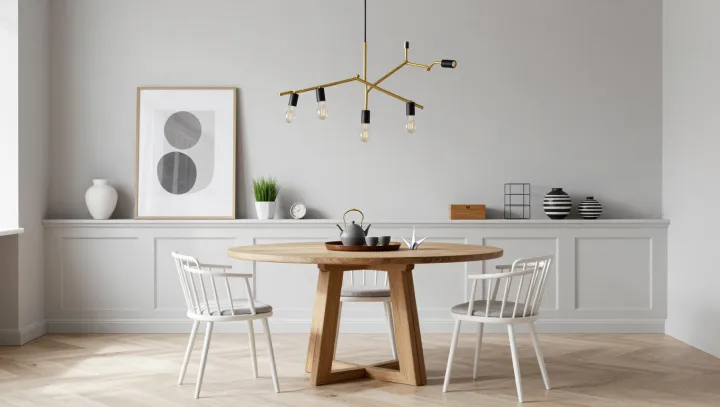
A mantel needs restraint. One substantial vase or generously framed artwork can give a fireplace more presence than a shelf crowded with ornaments, because the arrangement offers the eye somewhere definite to settle. Small objects compete fiercely. When every candleholder, photograph and keepsake asks for equal attention, the fireplace can become background scenery rather than the room's visual center.
Scale deserves first consideration. In design, visual hierarchy describes how differences in size, placement and contrast establish an order of attention, allowing one object to lead while others remain supporting details. Empty space earns inclusion. The negative space around a broad ceramic vessel makes its outline easier to distinguish, whereas closely packed accessories can merge into an indistinct band when viewed from across the room. Symmetry is not mandatory. An artwork placed slightly off center can balance a weighty vessel at the opposite end, provided their proportions suit the mantel rather than overwhelm it.
Editing beats another purchase. Before adding anything, remove the smaller pieces and assess the fireplace from the doorway, where the relationship between the shelf, surround and wall becomes easier to judge. Keep the strongest pieces. A low bowl beside a taller object can introduce variation without rebuilding the clutter, while a limited palette lets differences in shape and texture carry the arrangement. Respect the fire's boundaries. Combustible decorations must remain outside the clearances specified for the fireplace, even when a closer arrangement would look more composed. The shelf becomes a pause.