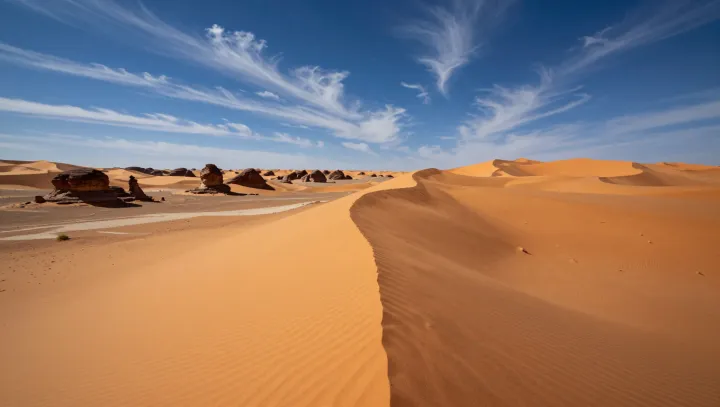
Bare ground deceives easily. Beneath soil that appears empty, a soil seed bank can hold living seeds whose growth remains suspended until moisture, temperature and other conditions permit germination. Stillness is not death. In dry regions, rain can turn that concealed reserve into a brief flowering display, exposing how poorly a surface inspection measures the life beneath it.
Rain alone promises little. Although water uptake, known as imbibition, allows seeds to begin rehydrating, seed dormancy can prevent germination until additional requirements are met, with responses differing among species. Timing carries real consequences. A shower that moistens only the surface may leave seedlings stranded when the soil dries, whereas sustained moisture can support root growth and the rush toward flowering. Restraint offers an advantage. Because seeds do not necessarily germinate together, some remain underground when others emerge, spreading the risk that a single failed growing opportunity will exhaust the population.
The spectacle misleads again. What looks like sudden abundance is often a compressed reproductive effort, as annual wildflowers grow, attract pollinators and produce seeds before heat and water loss close their growing window. Beauty has a deadline. The flowers fade, stems dry and newly produced seeds enter the soil, where some may persist through later dry spells rather than sprout at the next shower. Bare does not mean expendable. Disturbance that removes soil or buries seeds too deeply can damage this reserve, even when no flowers are visible above it. The silence holds possibilities.