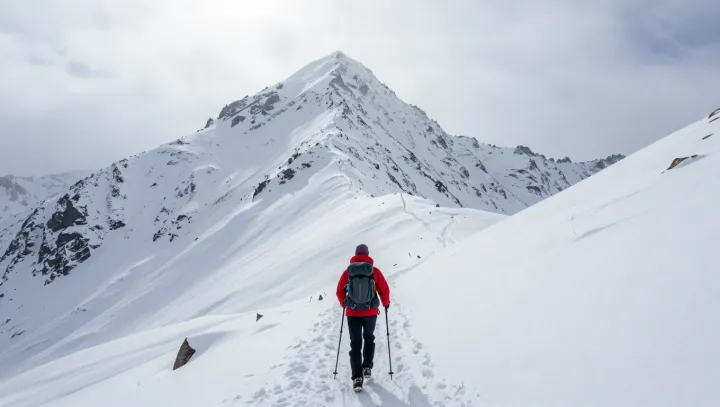
Downhill is not downtime. Although the climb announces its demands through heavier breathing and a faster pulse, the descent delivers a less conspicuous workout, asking the legs to produce force while their muscles lengthen. Gravity changes the bargain. What feels like relief for the heart and lungs can remain demanding work for the thighs.
The quieter effort deceives. During a descent, the quadriceps help control knee bending through eccentric contractions, resisting gravity as the body lowers from one foothold to another rather than simply collapsing into each step. These are loaded brakes. Uphill walking, by contrast, involves more muscle shortening through concentric contractions, while raising the body against gravity increases the demand for oxygen and makes the heart pump harder. Neither direction works alone. Both recruit muscles and the cardiovascular system, but the balance shifts enough that breathing intensity becomes an unreliable guide to how hard the legs are working.
Soreness is no trophy. Unfamiliar downhill walking can cause muscle damage and delayed soreness, which may become noticeable after the outing rather than during the descent, when breathing feels comparatively comfortable. More is not better. Starting with shorter, gentler descents and increasing exposure gradually gives muscles time to adapt, while controlled steps and a manageable pace help keep fatigue from dictating foot placement. The return deserves respect. For hikers judging an outing only by the climb, the useful correction is to budget effort for both directions and leave enough reserve for the descent. At the summit, half the argument still lies underfoot.