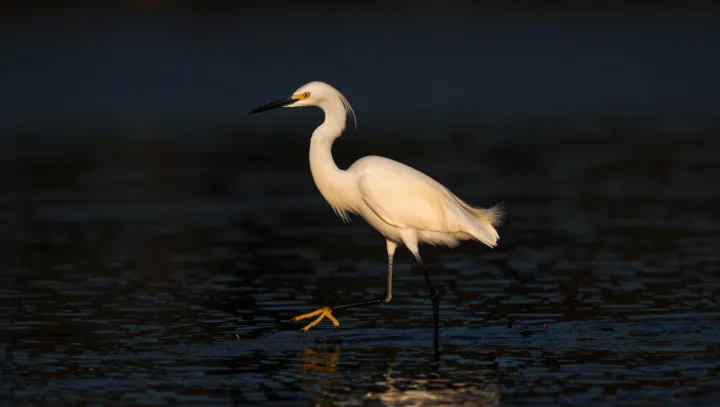
Stork droppings double as coolant. What looks like a lapse in hygiene is a heat-management behavior called urohidrosis, in which birds release watery waste onto their legs so that evaporation can carry heat away. Untidy though the practice appears, its purpose is straightforward: cooling a body that cannot sweat as a human does.
The mess earns its keep. As water in the droppings changes from liquid to vapor, it absorbs energy from the wetted surface, producing evaporative cooling rather than merely covering the skin. Blood carries heat outward. Because the legs contain blood vessels close to exposed skin, cooling that surface can help remove heat from blood circulating through it and, in turn, from the body. The physics is familiar. Human perspiration uses the same phase change, although a stork supplies the moisture through its cloaca, the shared outlet for its digestive, urinary and reproductive systems, rather than through sweat glands.
Still, cooling has limits. Evaporation depends on surrounding conditions, so moist air reduces its effectiveness, while drier air allows water to escape more readily from the coated legs. Water is spent, too. That makes urohidrosis a response with a physiological cost, not a source of refrigeration that works without resources or under every condition. Appearances can mislead here. The pale residue that may remain on a stork's legs is evidence of deposited waste, but the heat transfer happens while its water evaporates, not simply because a coating exists. Beneath the drying streaks, blood keeps moving.