
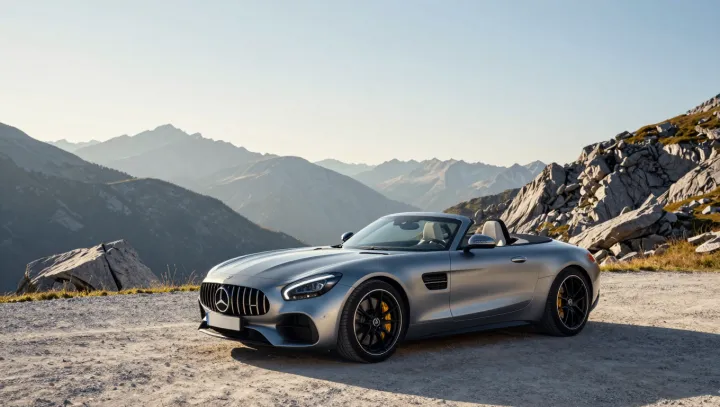
Why AMG Puts Its Turbos Inside the V
AMG's hot-V layout places turbochargers near the exhaust ports, reducing gas volume and heat loss before the turbines to help boost build sooner, though turbo lag remains.
2026-10-22
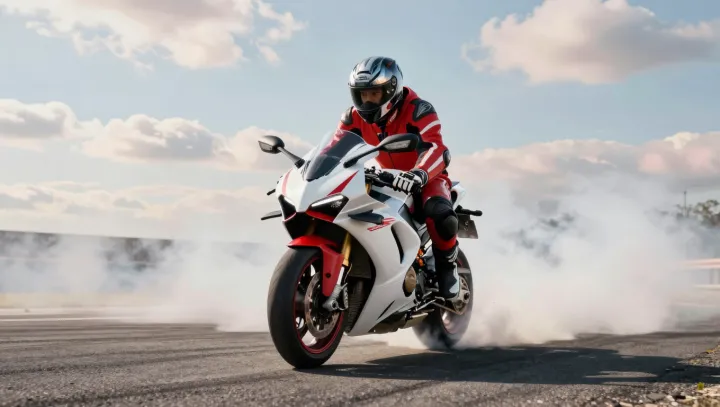
Small Bikes Beat Big Engines
Motorcycles suit crowded cities because they occupy less space, cost less to run, and simplify parking, though safety risks and pollution complicate their appeal.
2026-10-22
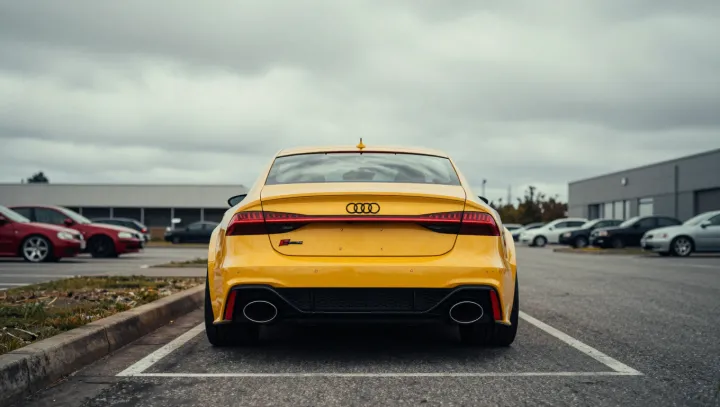
White Paint Has a Cooler Argument
White paint generally reflects more sunlight than black paint, helping an otherwise identical parked car stay cooler. Glass, upholstery and shade also affect cabin heat.
2026-10-22
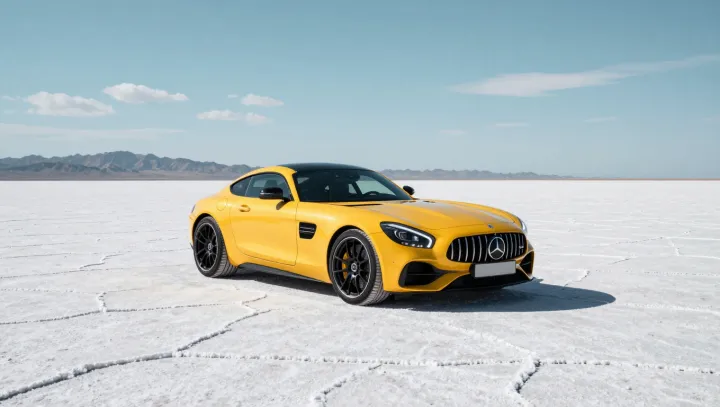
AMG's V8 Makes Heat Work
The Mercedes-AMG GT's hot-V layout places turbochargers between the cylinder banks, shortening exhaust routes to improve response while demanding careful heat management.
2026-10-22

Why Wooden Boats Tighten When Wet
Wood absorbs moisture and expands across its grain, narrowing plank seams and compressing caulking. This can reduce leaks, but it cannot repair rot, broken fastenings or damaged planks.
2026-10-21
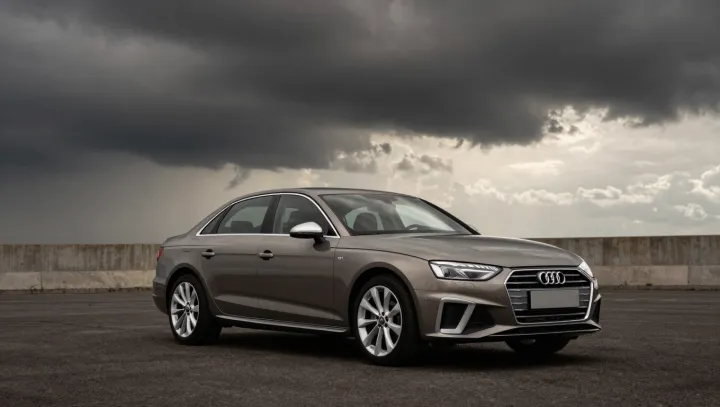
Audi's Rings Mean Union
Audi's four rings represent Audi, DKW, Horch and Wanderer, united under Auto Union. The emblem preserves a corporate union rather than depicting four wheels.
2026-10-20
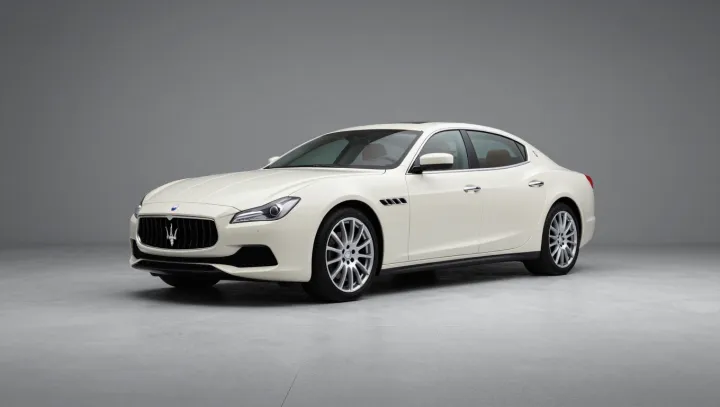
Look Farther, Steer Smoother
Scanning farther ahead gives new drivers time to plan steering, notice developing hazards and avoid abrupt corrections, while regular checks nearby preserve awareness.
2026-10-20
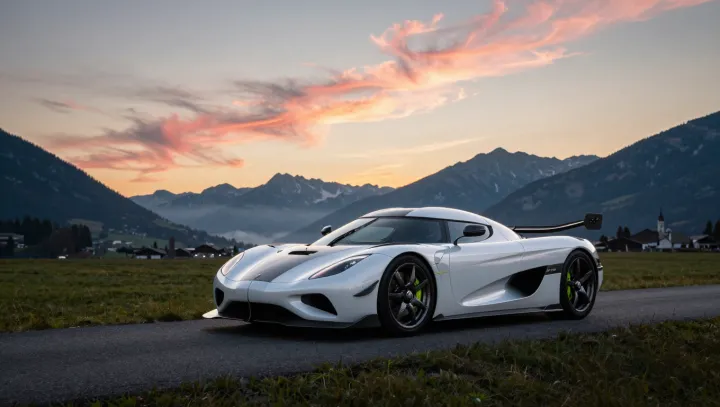
Same Speed, Different Fuel Bill
Average speed hides acceleration, braking and speed fluctuations. Anticipating stops reduces wasted kinetic energy, while avoiding speed peaks can cut aerodynamic losses.
2026-10-19
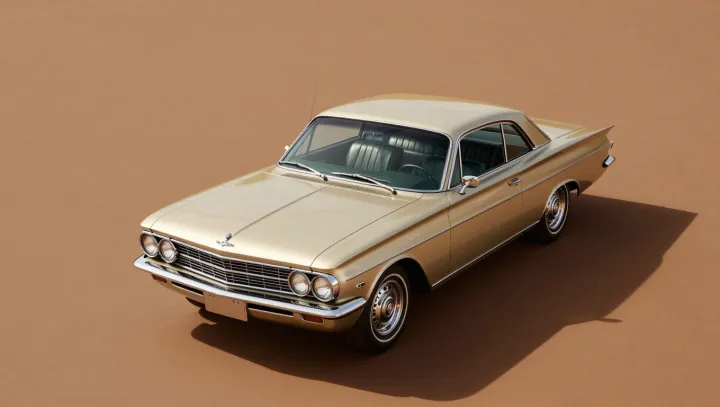
Braking Cannot Refund Every Watt
Regenerative braking converts motion into stored electricity, but resistance, drag, tire losses and battery limits prevent a complete energy refund.
2026-10-19
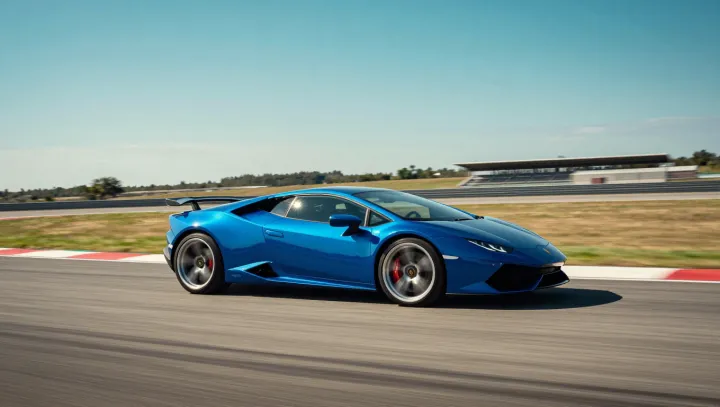
The Tecnica's Two Steering Personalities
The Huracan Tecnica steers its rear wheels opposite the fronts at low speeds for agility, then in the same direction at high speeds for stability.
2026-10-19
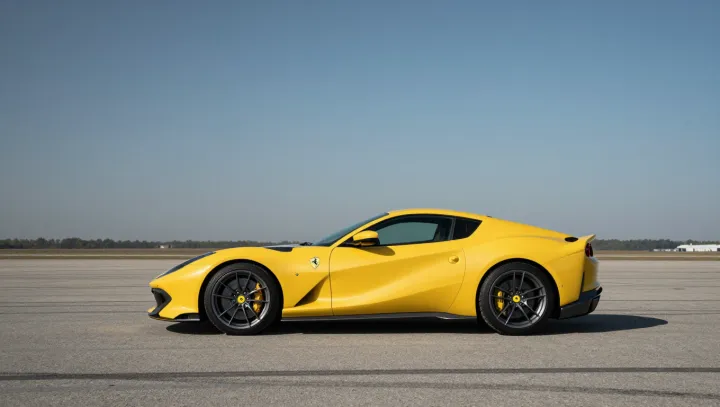
The Sun That Has Already Set
Atmospheric refraction lifts the Sun's apparent position, allowing it to remain visible after it has passed below the horizon.
2026-10-16
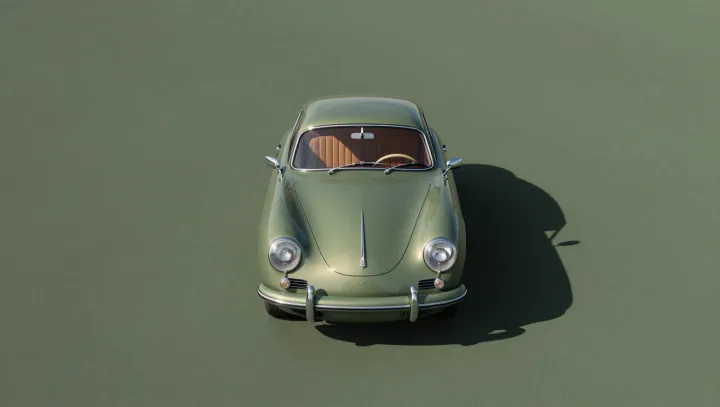
One Root, Two Kinds of Excess
Presumptuous and sumptuous share a Latin ancestor meaning "to take." One branch concerns taking liberties; the other runs through expenditure to lavish luxury.
2026-10-16
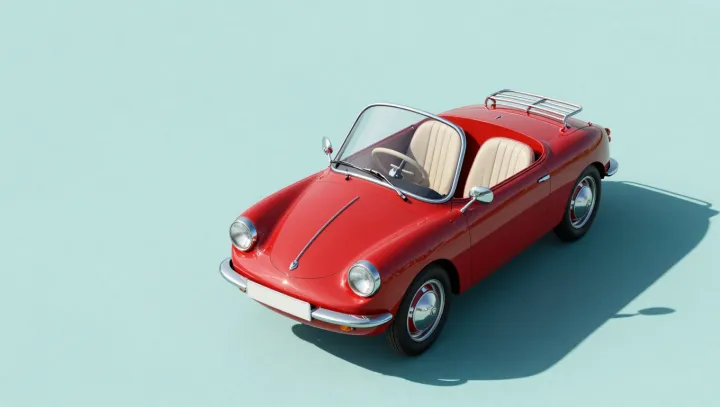
The KR200's Case for Sitting Behind
The Messerschmitt KR200 used tandem seating to keep its three-wheeled body narrow, reducing frontal area while accepting a less sociable cabin arrangement.
2026-10-16
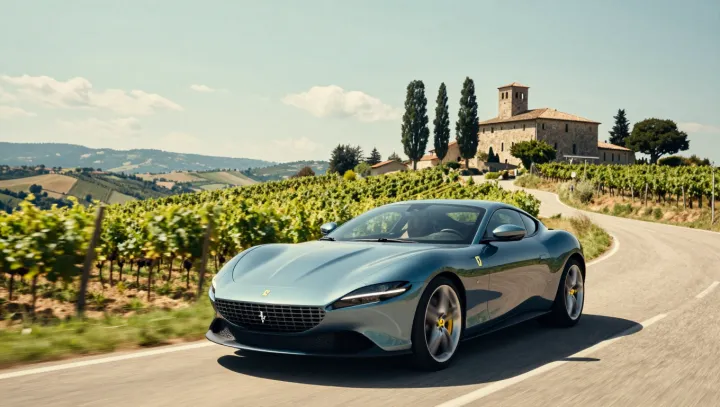
Why the Roma Keeps Its Spoiler Down
The Ferrari Roma raises its rear spoiler when extra downforce is useful, balancing tire grip against aerodynamic drag, power demand and efficiency.
2026-10-16
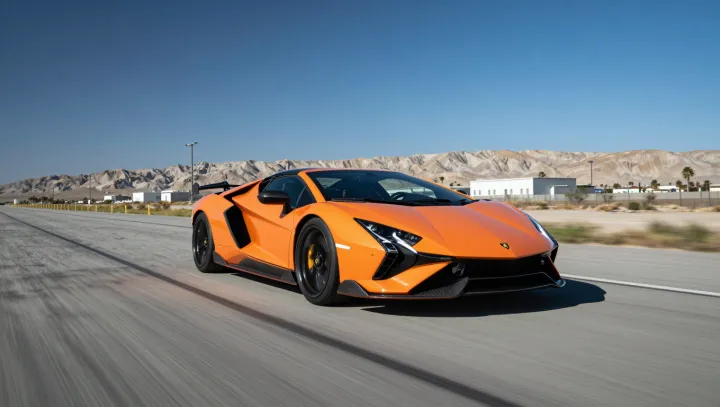
Sian Roadster: Thunder, Electrified
The Sian Roadster combines V12 power with a supercapacitor hybrid system, favoring rapid energy delivery and recovery over battery-powered driving range.
2026-10-15
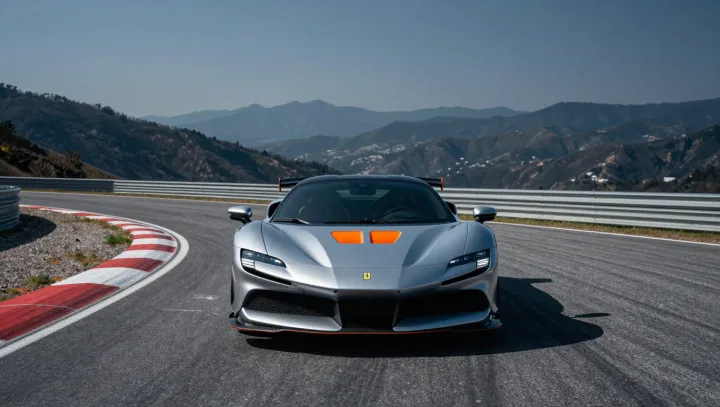
Ferrari Turns Air Into Grip
The Ferrari SF90 XX Stradale trades some aerodynamic drag for downforce, increasing tire grip without adding mass and helping it corner and brake harder at speed.
2026-10-15
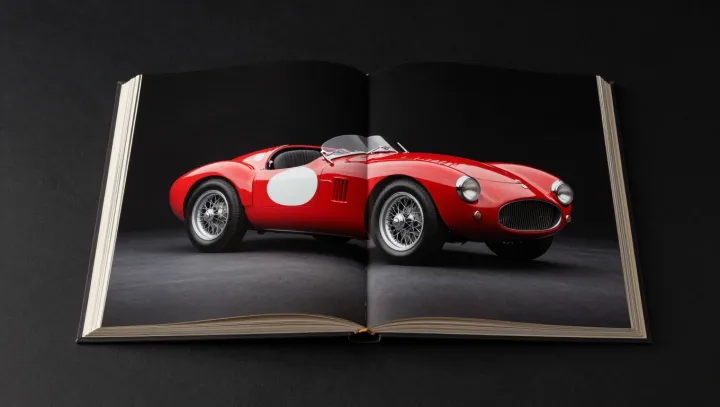
Ferrari's History, Not Horsepower
Limited to 99 copies, Ferrari Endurance follows the company's evolution through photographs and documents, with a foreword by Chairman John Elkann.
2026-10-15
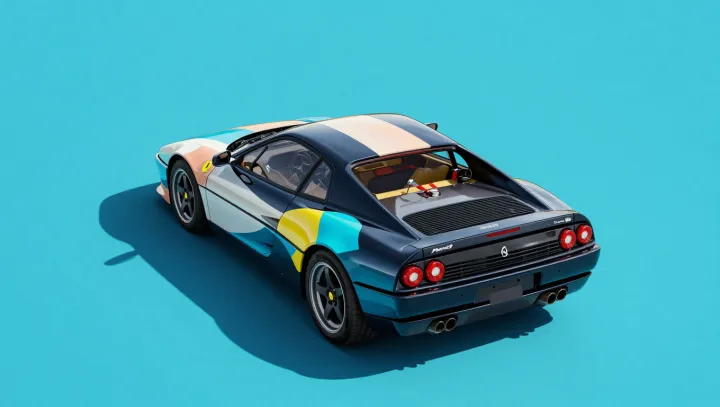
Why Electric Cars Prefer City Streets
Electric cars benefit from lower city speeds and regenerative braking. Gasoline cars usually favor steady highway travel, where engines run more efficiently and avoid repeated acceleration.
2026-10-14
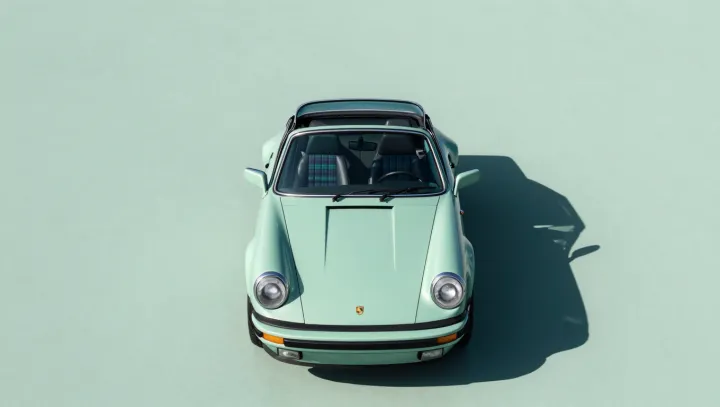
Porsche's Targa: A Racing Name
Porsche named the Targa after the Targa Florio to connect a safety-minded roof design with its racing victories, turning an engineering compromise into a sporting identity.
2026-10-14
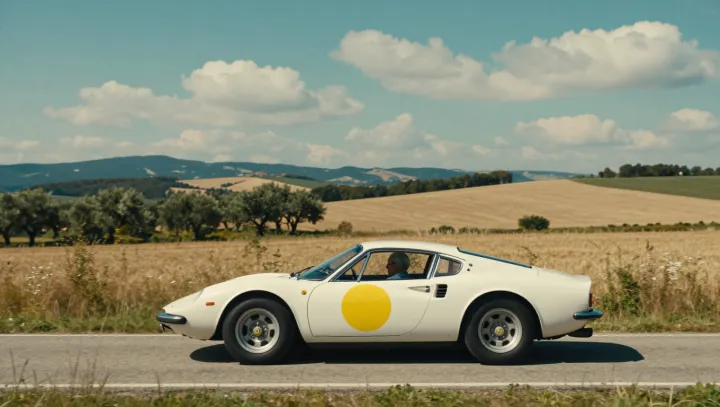
Ferrari History, Off the Pedestal
Ferrari's Cavalcade Classiche puts historic cars on the road without turning them into race entries, presenting automotive heritage through use rather than static display.
2026-10-12