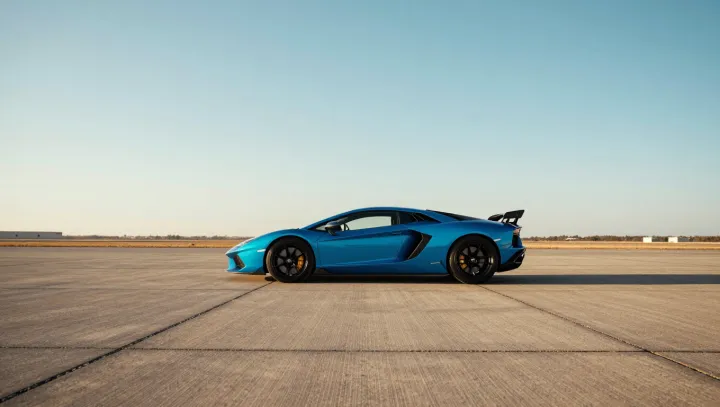
The real race in new cars is no longer speed. It is persistence. Under the sheet metal, automakers are rebuilding vehicles as software-defined platforms, with centralized computing, zonal architectures and Ethernet backbones replacing the old patchwork of isolated control units.
Horsepower still sells posters, but recurring software capability now writes the profit forecasts. Over-the-air updates, once a niche stunt, have become core infrastructure, riding on secure bootloaders and automotive-grade hypervisors to push new driver-assistance logic, battery-management algorithms and even redesigned user interfaces into cars already on the road.
The boldest claim is that a car should drive better every year without changing its hardware. That promise rests on machine learning pipelines and fleet telemetry, where millions of miles of sensor data refine perception models and motion-planning stacks long after delivery, turning each vehicle into both product and probe.
What looks like convenience is also strategy. Companies are chasing a data moat and closed-loop product cycle, using connectivity to monitor component fatigue, refine energy-management strategies and lock customers into proprietary app ecosystems, while regulators grapple with questions of cybersecurity, liability and long-term software support.
The disruptive car now behaves less like a finished object and more like an operating system on wheels, its value compounding not when the engine revs, but when a background process quietly rewrites how it thinks about the next corner.