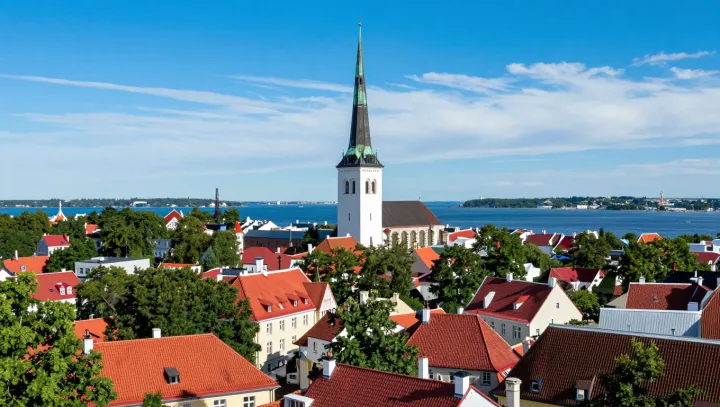
Cobbled streets that were poured last season, crooked facades aligned by laser, peeling paint applied by consultants: the built environment of the “authentic” tourist town is often a postmodern reconstruction rather than a survivor of history. What looks like entropy at work is, in practice, the product of design codes, zoning rules and market testing.
The basic logic is economic. Tourists do not just buy hotel nights; they buy what marketers call a narrative of place. Behavioral economics shows that perceived authenticity increases willingness to pay, extends dwell time and improves conversion across retail and hospitality. Rebuilding a town as a curated stage set lets authorities and developers control infrastructure, insurance risk and visitor flows while simulating the texture of contingency that genuine old quarters acquired through slow urban metabolism.
Planners reverse‑engineer irregular street grids, sightlines and even “inefficient” corners because those create what urbanists might call a marginal effect: small frictions that slow bodies down and invite browsing. Underneath the rough surfaces lies an efficient services chassis, from standardized fire codes to buried fiber networks, turning nostalgia into a scalable platform. The result is a paradox: places that feel more real than the fraying originals they replace, yet are calibrated at every joint to satisfy contemporary expectations of comfort, safety and Instagrammable decay.