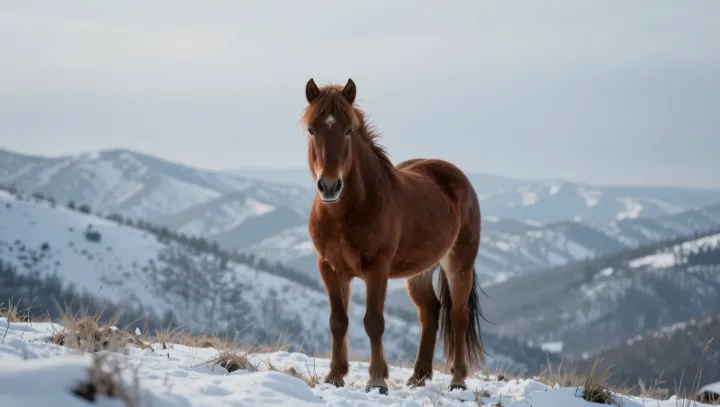
An Akhal‑Teke can carry a higher price tag than a Ferrari because the market is really buying a living, self‑replicating patent. The breed exists as a tiny global population, with closed studbooks acting as an artificial bottleneck that concentrates specific alleles linked to speed, stamina and heat tolerance.
What looks like a mythic metallic glow is a problem in optics, not fantasy. Each hair shaft is unusually thin with a modified medulla and cortex, turning the coat into a biological fiber‑optic system that refracts and scatters light. Because that phenotype tracks tightly with particular genotypes, owners treat a proven metallic line as intellectual property, priced according to marginal utility in elite sport and breeding.
Centuries of selective breeding in brutal desert conditions turned aerobic capacity, low basal metabolic rate and efficient thermoregulation into survival filters, not lifestyle perks. Modern registries and performance tests then convert those filters into a commercial moat: extremely limited breeding rights, verified pedigrees and competitive results are bundled into a single asset. When only a handful of stallions can credibly transmit that package, the market does the rest, and a horse becomes a luxury technology with hooves.