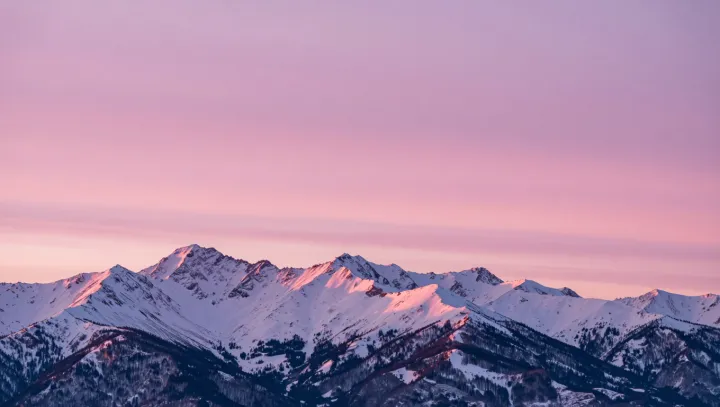
Snow on a high ridge looks weightless, yet its very stage is built by slow violence in the planet’s crust. When tectonic plates converge, they do not glide past politely; they jam, buckle and thicken. That process, known as orogeny, forces deep rocks upward into long chains that push the atmosphere aside and carve out the cold, thin air where snow can persist.
As crustal slabs shorten and stack, isostatic uplift raises summits into regions of lower atmospheric pressure and reduced air density, which enhances radiative cooling. At those elevations, sensible heat loss outpaces gain, and precipitation commonly falls as snow rather than rain. Glacial ice then exploits mechanical weathering and frost wedging to erode peaks, while gravity and erosion redistribute mass, nudging the system toward a shifting equilibrium reminiscent of thermodynamic entropy increase.
Plate convergence also rearranges regional climate. Rising ranges deflect jet streams, create rain shadows and alter moisture transport, amplifying snowfall on windward slopes while drying basins beyond. The bright snowpack, with its high albedo, reflects incoming solar radiation, feeding back into surface energy balance and stabilizing high-elevation cold. What appears as a delicate white film is thus the visible margin of a deep geodynamic negotiation between collision, uplift and erosion.