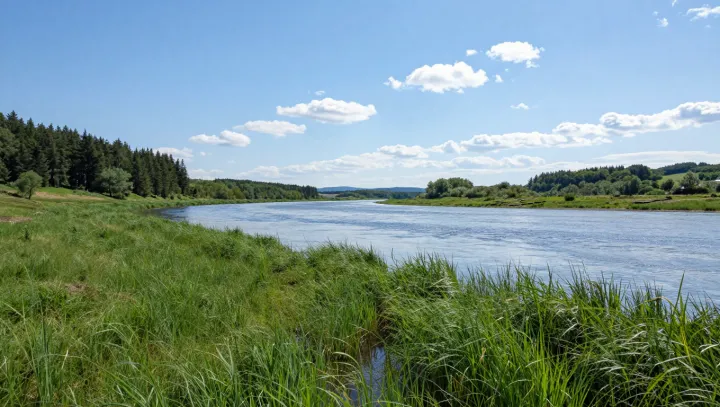
Less than a tenth of Earth’s land surface acts like a planetary safety net. Wetlands, from peat bogs to mangrove swamps, operate as integrated systems that clean water, lock away carbon and stabilize food webs even as surrounding landscapes are drained, paved or logged.
In biochemical terms, wetlands slow the hydrological cycle and extend the residence time of both water and nutrients. Dense plant roots and microbial biofilms trap sediments and drive nitrification and denitrification, stripping excess nitrogen and phosphorus from runoff and improving downstream water quality. The same flooded, oxygen‑poor conditions that make these landscapes look stagnant also suppress decomposition rates and shift the local entropy balance, allowing organic matter to accumulate rather than return quickly to the atmosphere as carbon dioxide.
This is why a square meter of peatland or mangrove can hold more carbon than many temperate forests, turning these habitats into concentrated carbon sequestration engines. Layer upon layer of partially decayed plant tissue builds deep carbon stocks, while canopy structure and shallow waters create microhabitats that support high species richness, from invertebrates to migratory birds. As surrounding habitats fragment, wetlands function as refuges and biological corridors, buffering populations against disturbance and giving entire food chains a margin against collapse.