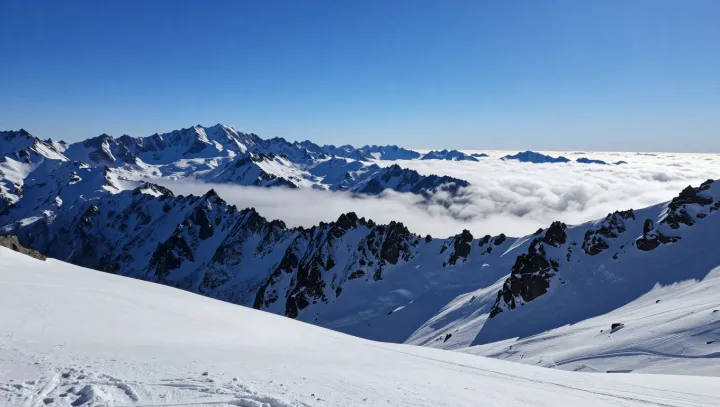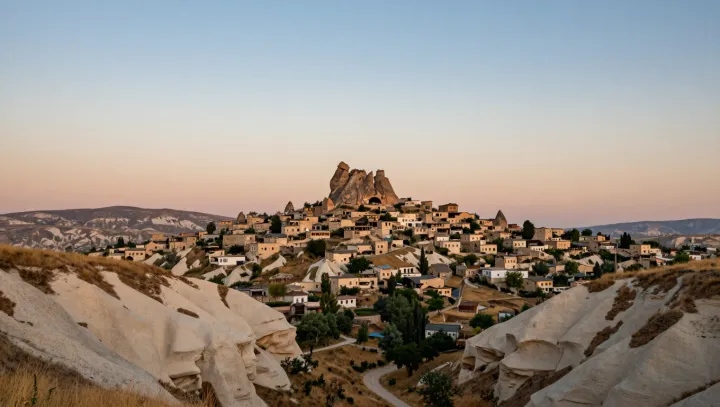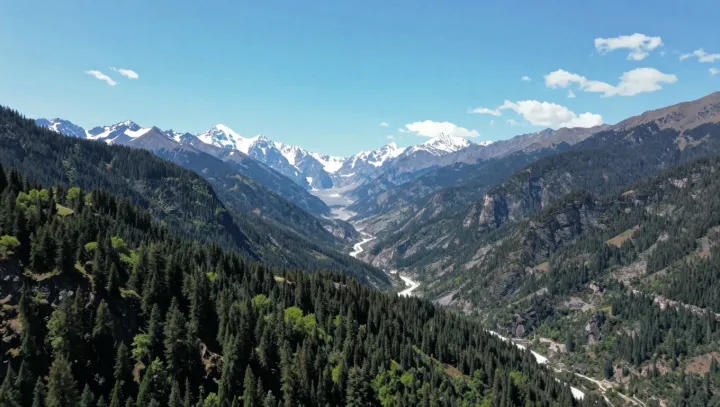
Dry‑stone walls step down the Tramuntana ridgeline, catching soil, slowing water and turning a steep spine into a layered staircase of habitat. What began as a survival strategy for farmers has quietly reprogrammed the way birds move across this stretch of the Mediterranean.
By breaking continuous cliffs into thousands of small ledges, terraced farming altered both microclimate and vegetation structure along the range. Retaining walls trap moisture, reduce surface runoff and support pockets of deeper soil. That allows shrubs, orchards and mixed scrub to persist where bare rock would otherwise dominate, increasing primary productivity and insect biomass. For migratory birds managing energy balance and basic metabolic rate on long sea crossings, this creates a dense chain of refuelling points tightly aligned with ridge‑top updrafts and coastal wind patterns.
The stone geometry also simplifies the problem of orientation and risk. Terraces form linear features that run broadly parallel to the coast, offering visual cues and relatively predictable foraging patches. Open steps alternate with trees and walls, giving raptors hunting perches and small passerines quick access to cover, which shifts local predation dynamics rather than eliminating them. Over many generations, these consistent advantages generate a kind of ecological path dependence, reinforcing the Tramuntana as a preferred route within the wider Afro‑Eurasian flyway. A human effort to stabilise slopes and secure harvests has ended up engineering an unintended corridor in the sky.