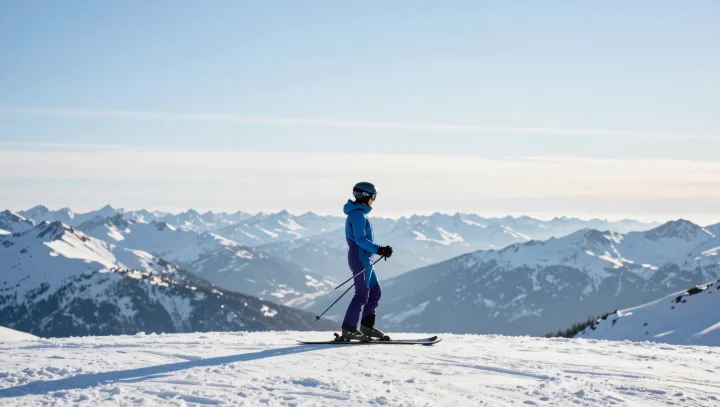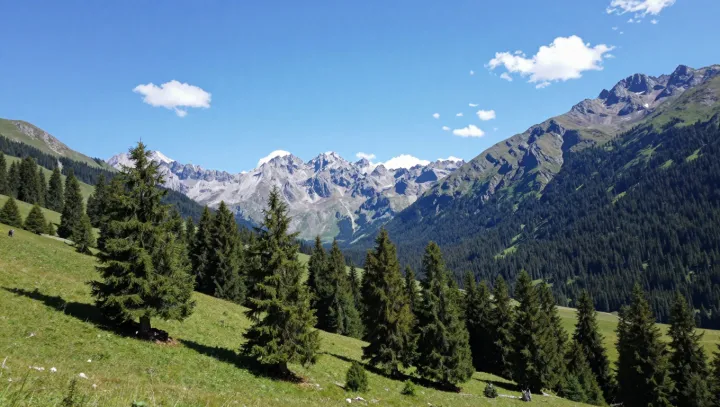
A single landmass can host both singing sand dunes and crust‑warping ice because geology and atmosphere do not recognize the neat categories that maps suggest. Where a tectonic plate crumples upward, extreme elevation gradients appear, and with them, radically different climate regimes compressed into a short horizontal distance.
High peaks force moist air to rise, cool, and condense in a process known as orographic lift, feeding snowfall that compacts into glacial ice. Over long timescales, the mass of that ice exerts isostatic pressure on the lithosphere, depressing the crust in a slow, measurable response that geophysicists treat almost like a marginal effect in an enormous, multi‑variable system. On the leeward side of those same mountains, descending air warms adiabatically, stripping out humidity and driving potential evapotranspiration beyond local moisture supply. The result is hyper‑arid desert, where dry, well‑sorted grains can resonate; under the right shear stress, entire dune faces behave like a granular loudspeaker.
The coexistence of such opposites is less a paradox than an expression of entropy increase across linked systems. Energy moves from solar radiation to atmospheric circulation to erosion and sediment transport, carving out glaciers at one altitude while building acoustic dunes at another. One country happens to sit across the junctions where these flows intersect, turning its territory into a compressed cross‑section of planetary physics.