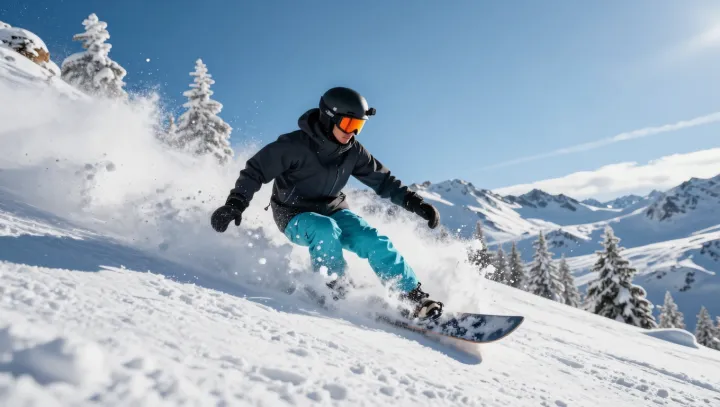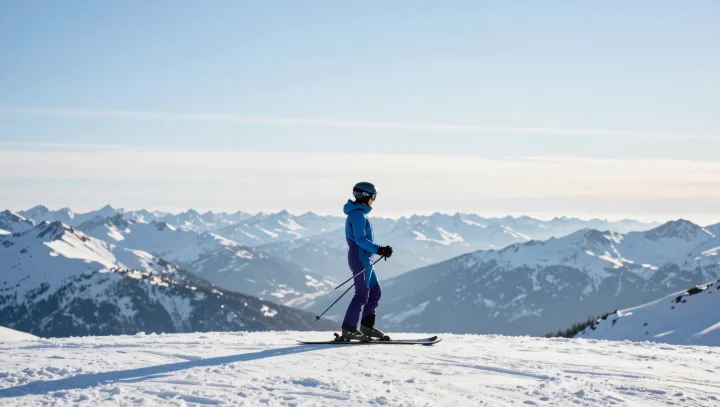
Edge pressure, boot angle and hip position decide whether the anterior cruciate ligament survives a turn. When skis drift into a wide snowplow and the hips sit back, the tibia rotates inward while the femur twists outward, loading the ACL along its fibers instead of sharing stress across the joint.
That misalignment converts the ligament from a primary stabilizer into a tensile fuse. Quadriceps contraction, ground reaction force and sudden deceleration create a valgus collapse that spikes strain beyond the ACL’s collagen tensile strength. The meniscus and joint capsule absorb less load, and the ligament becomes the single point of failure during a catch on the inside edge or a slow, off‑balance fall.
Once fibers rupture and joint laxity appears, conservative care rarely restores the original kinematic chain for high‑demand skiing. Proprioception, neuromuscular control and muscle co‑contraction cannot fully replace the lost mechanical restraint against anterior tibial translation. For many skiers who want aggressive carving and variable terrain, anterior cruciate ligament reconstruction using a tendon graft becomes the only realistic path to a stable, confident return to the slope environment.