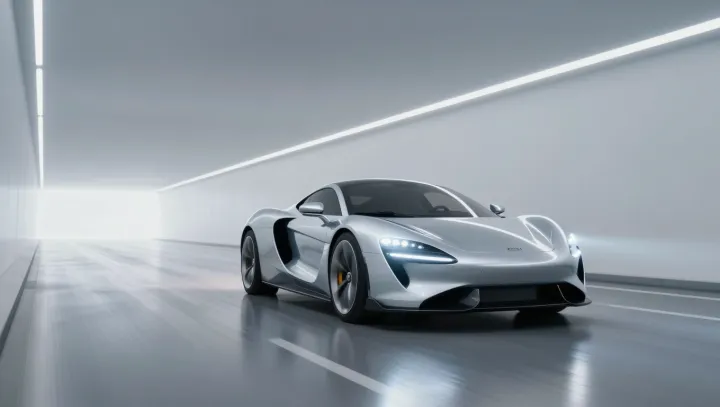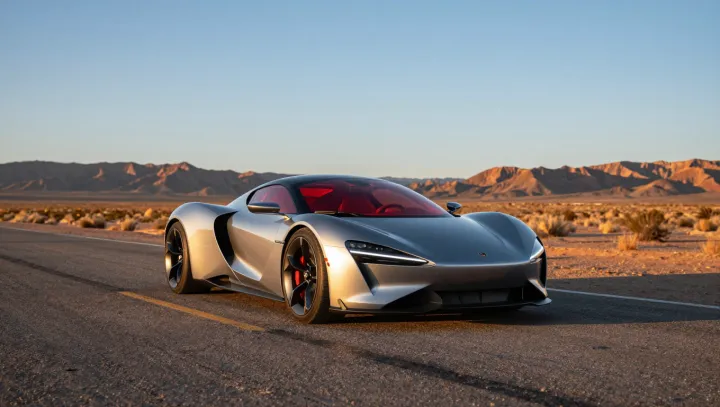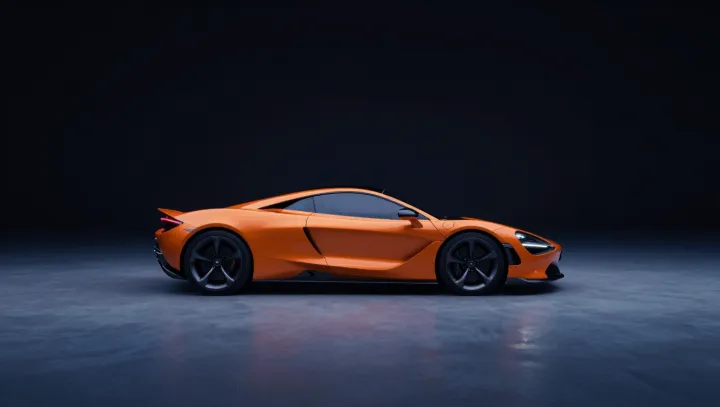
Brake lights flare, yet the brake pads often stay idle. In many electric cars, city traffic turns the powertrain itself into the main braking system, using a form of engine braking that does not burn fuel but harvests electricity instead.
When the driver lifts off the accelerator, control electronics command the electric motor to operate as a generator. Kinetic energy from the moving car is converted into electrical energy through electromagnetic induction inside the motor and routed by the inverter back to the battery pack. This regenerative braking creates a resisting torque on the wheels, delivering smooth deceleration without touching the hydraulic friction brakes in most everyday stops.
A brake pedal press simply layers conventional friction braking on top of this generator effect, providing extra stopping force only when needed. Powertrain software manages the torque blend so that deceleration feels linear, even though much of the work is silent energy recovery rather than pad-on-disc contact. Because friction brakes engage mainly in hard stops or emergencies, wear rates fall sharply, cutting maintenance while improving overall energy efficiency in dense urban driving.