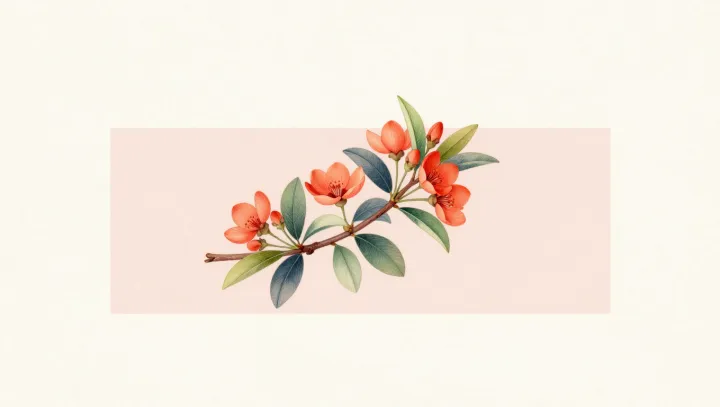
Foam from breaking waves can land straight on the petals of this coastal hibiscus shrub, yet the plant keeps flowering where most garden species shut down. The species, native to rocky and sandy shores of East Asia, has turned chronic salt exposure into a routine physiological job rather than a lethal shock.
The first line of defense lies in the roots. Specialized ion transport proteins in root cell membranes pump sodium and chloride away from sensitive tissues, a process tied to active transport and ATP consumption. Much of the incoming salt is sequestered in vacuoles, so cytoplasm can maintain stable enzyme function. This spatial separation of ions lowers cellular osmotic stress and keeps photosynthetic machinery operating even under direct sea spray.
Leaf and stem architecture then manage what leaks through. Thick cuticles and dense epidermal layers slow salt entry, while some cells act as sacrificial storage sites that accumulate excess sodium and later die off. Osmotic adjustment, driven by compatible solutes such as proline and certain sugars, balances water potential so cells avoid plasmolysis. Together, these traits stabilize turgor pressure, allowing buds to open and pollen to remain viable.
Population-level selection along tidelines has reinforced these traits. Individuals with more efficient ion homeostasis and faster repair of oxidative damage from salt stress leave more offspring. Over many generations, the shrub’s genetic toolkit has come to resemble a finely tuned coastal filter, allowing hibiscus flowers to occupy a narrow strip of habitat that excludes less specialized ornamentals.