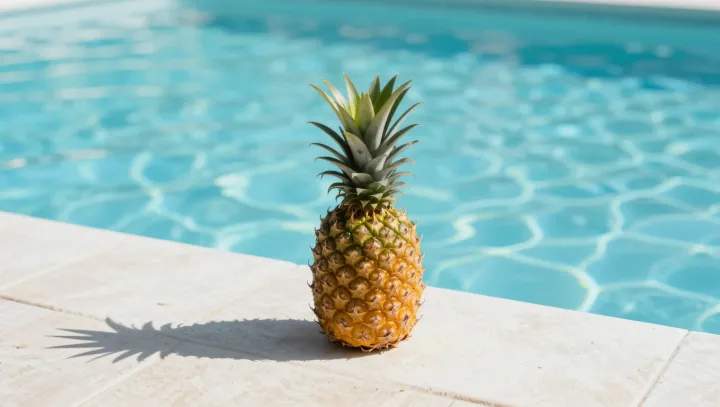
Saltwater on pineapple does not just tame the sting; it rewires the way the fruit reaches your tongue. At the surface, salt ions interact with pineapple enzymes and organic acids, reshaping the chemical mix that actually touches taste receptors.
The key player is bromelain, a proteolytic enzyme that breaks down proteins and can irritate oral tissue. When salt dissolves, sodium and chloride ions compete with charged groups on that enzyme and nearby amino acids, shifting its conformation and lowering its effective activity at the fruit surface. At the same time, salt moderates the interaction between hydrogen ions from organic acids and receptor cells, subtly buffering the immediate microenvironment.
This ion exchange also changes how sweetness and bitterness register along the gustatory pathway. Sodium ions can enhance the signal from sucrose and fructose at sweet taste receptors while dampening the response to certain bitter compounds through receptor level cross talk and altered membrane potential. The result is pineapple that seems sweeter, less harsh and less bitter, not because sugars increased, but because the sensory transduction landscape has been quietly edited by a brief saltwater bath.