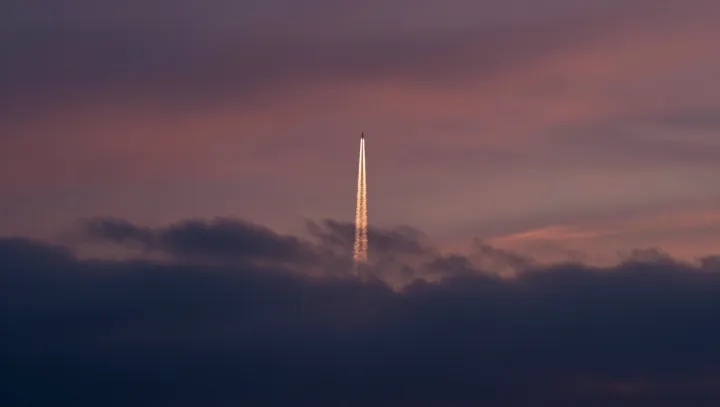
A tourist rocket seat can now cost less than a sliver of ownership in the vehicle, yet still command a price hundreds of times higher than a first class round the world ticket. The gap is not about luxury. It is about how risk, capital and regulation shape prices in very different markets.
In aerospace, most money sits in fixed capital expenditure and in the probability of catastrophic failure, a form of risk premium that equity absorbs directly. Investors pay for exposure to intellectual property, launch infrastructure and long term cash flows, not for a single flight. A tiny stake in the rocket reflects discounted expected earnings across many missions, so its valuation embeds assumptions about future demand, insurance costs and certification regimes. The ticket, by contrast, is priced at the margin: once the rocket is built and the launch window is booked, the marginal cost of adding one more passenger seat is relatively low compared with total program cost.
A first class airline ticket lives in a market ruled by yield management and intense competition. Airlines optimize every seat through revenue management algorithms that resemble entropy minimization in a constrained system, constantly trading comfort for occupancy. Their safety baseline is amortized over countless flights under mature airworthiness standards. Space tourism operates with far thinner flight history, higher perceived mortality risk and minimal economies of scale, so each passenger pays for a slice of research and development, for limited launch cadence and for the brand value of crossing the Karman line. The result is a paradoxical price ladder where ownership and access obey different versions of marginal utility.