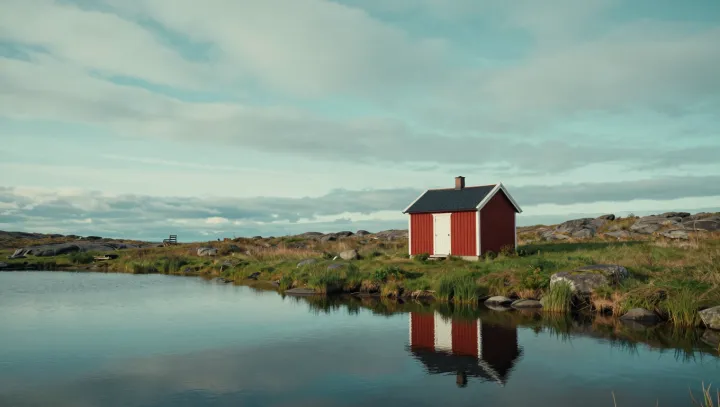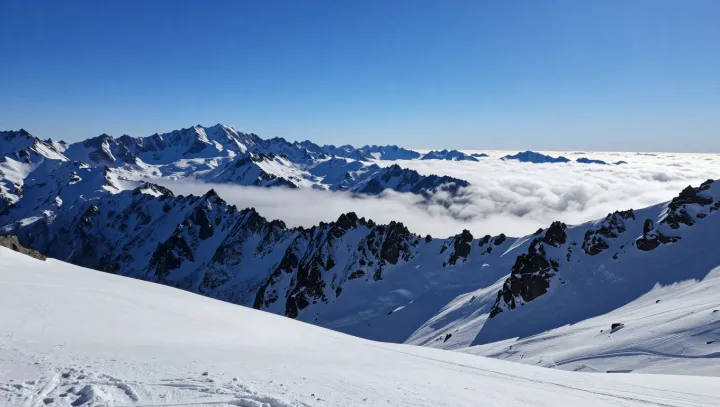
A glacier-fed lake in a quiet Nepalese valley now anchors a resort hub that markets royal seclusion rather than mass tourism. Instead of ring roads and tower blocks, the shoreline is held in place by strict height limits, pedestrian zones and a cordon that keeps heavy construction away from wetlands and feeder streams.
Local planners treat the watershed like a living balance sheet, where carrying capacity and marginal effect guide every permit. Zoning pushes high-density hotels back from the waterfront, while low-rise lodges cluster along existing streets to reduce habitat fragmentation and soil erosion. Motorboats face tight controls; paddles and electric craft dominate the surface, cutting noise and fuel runoff that could disrupt oligotrophic lake chemistry.
Tourism revenue is looped back into reforestation, slope stabilization and sewage treatment, creating a visible link between luxury stays and nutrient-load management. Community cooperatives co-manage trekking routes and lake access, giving residents a stake in keeping glacial inflows clean and sediment in check. The result is a resort economy that behaves less like a land grab and more like a long game against entropy in the mountains above the waterline.