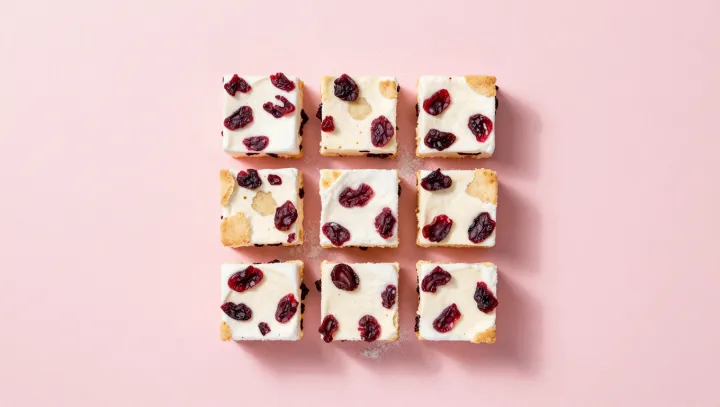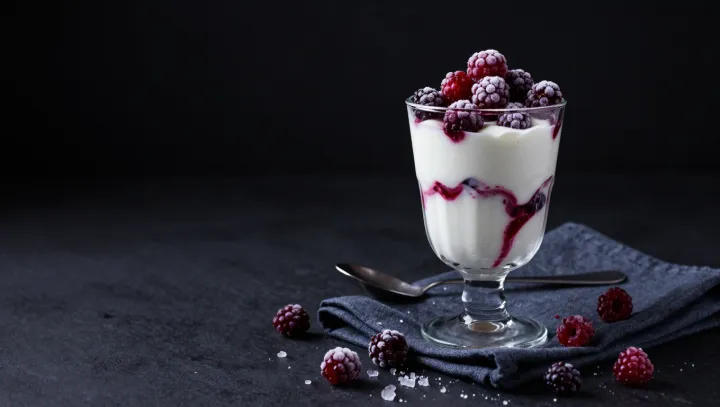
Fruit that has been frozen to around minus fifty degrees and shattered into Styrofoam-like pieces is usually not ruined at all. It is in the middle of a process called freeze drying, a preservation method that removes water while leaving most nutrients and flavor compounds in place.
The trick is physics. At those temperatures, water in the fruit turns into solid ice, while sugars, organic acids and pigments stay in a glassy matrix. Under a strong vacuum, the ice does not melt; it sublimates, jumping straight from solid to vapor. This sublimation leaves behind a porous, brittle structure that looks fragile but still holds vitamins, polyphenols and aroma molecules in nearly the same spatial arrangement.
Because almost all free water is gone, the product’s water activity drops so low that bacteria, molds and enzymes cannot run their usual metabolic pathways. With little liquid water, reaction rates that drive oxidation, color loss and texture collapse slow dramatically, even though entropy still pushes the system toward disorder. Sealed away from ambient oxygen and humidity, the fruit can sit on a shelf for years without rotting while still rehydrating back into something recognizably close to its fresh form.