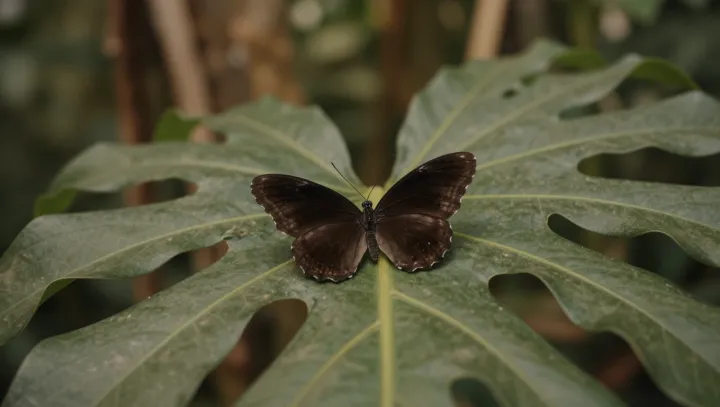
A bright wing pattern hovers at the edge of a reptile’s eye, and the scene looks almost gentle. It is not. The butterfly is conducting mineral theft in plain sight, calmly drinking tears or sweat to solve a hard biochemical problem.
Nectar is rich in sugar but poor in sodium and other electrolytes, yet butterflies burn through these ions to power muscle contraction and maintain osmoregulation. Without enough sodium and amino acids, nerve impulses misfire, wing beats lose precision, and basic metabolic pathways falter. Reptile tears and human sweat offer a concentrated shortcut: a ready-made saline and protein solution that bypasses the limits of floral nutrition.
This behavior, called lachryphagy, is part of a broader nutrient-hacking toolkit that also includes mud-puddling on damp soil or carrion to gather trace elements like nitrogen and potassium. Tears are especially valuable because they bundle sodium, chloride, and small organic molecules in a stable, constantly renewed film on an animal’s eye. For the butterfly, approaching a relatively tolerant reptile or a distracted human is simply another low-risk, high-yield strategy to keep its delicate physiology running at full capacity.