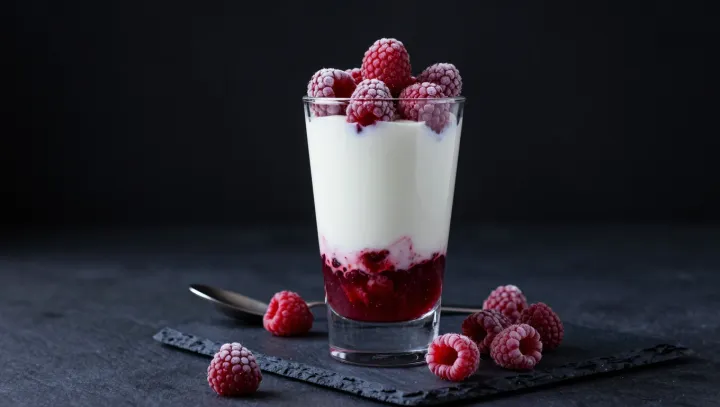
A raspberry, smaller than a thumb, can carry over ten times the amino acids of an apple and nearly thirty times that of pears and citrus when measured per equal weight. This is not a quirk of marketing but a function of how the fruit builds tissue, stores protein and distributes water across its tiny structure.
At the core is protein synthesis. Raspberries invest heavily in seed development, and those seeds are packed with storage proteins composed of essential amino acids. Their cells maintain a high basal metabolic rate as they ripen, which demands enzymes and structural proteins, further lifting amino acid content. In contrast, apples, pears and citrus allocate more mass to watery parenchyma tissue and carbohydrate reserves, diluting protein and therefore total amino acids per gram.
Water content and biomass allocation amplify the gap. Raspberries hold less structural water relative to their load of seeds, cell walls and cytoplasmic proteins, so amino acid density spikes when scientists run standard proximate analysis on equal portions. Pulp‑heavy fruits such as apples and citrus build more cellulose and soluble sugars, with fewer nitrogen‑rich compounds. For consumers and product formulators, that makes raspberries a compact vehicle for amino acid intake within the broader fruit category.