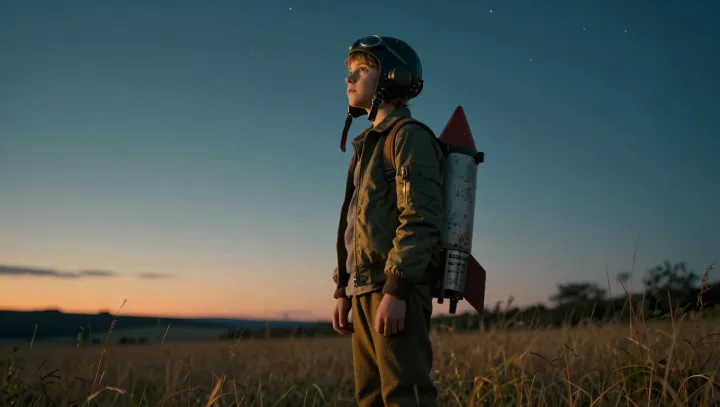
Neural circuitry, not personality, decides why some people move while others freeze. Bravest individuals often report intense fear, yet their brains have rehearsed a different script: act first, process emotion later.
At the core is a tug of war between the amygdala, which flags threat, and the prefrontal cortex, which handles planning and inhibition. Repeated exposure training, from fire drills to military simulations, strengthens top‑down control pathways and reshapes synaptic plasticity. Over time, the brain builds faster action schemas, so motor programs can launch before conscious fear spirals into immobilization. Stress hormones like cortisol still surge, but practiced breathing and attentional control blunt their impact on working memory and reaction time.
This process resembles overclocking a processor while upgrading its cooling system: neurons still fire at high rates, but regulatory networks keep the system from crashing. Procedural memory in the basal ganglia stores rehearsed responses, allowing trained individuals to rely on automaticity instead of deliberation in high‑risk contexts. They do not feel less fear; interoceptive signals from the heart and lungs remain intense. What changes is interpretation: fear becomes a cue to execute a learned protocol rather than a command to stop.