How Macaws Sleep Locked Onto Branches
Macaws stay on branches by a tendon locking mechanism in the foot that grips harder as the leg bends, allowing deep sleep without conscious balance control.

Macaws stay on branches by a tendon locking mechanism in the foot that grips harder as the leg bends, allowing deep sleep without conscious balance control.

Clams lack a centralized brain yet still clamp shut, burrow, and filter-feed by integrating sensory neurons, ganglia, and chemoreceptors into a distributed decision system.
2026-04-01

Revisiting the same Disney toys years later feels different because your brain, memory networks, and life story have changed while the plastic has not.
2026-03-23

Affogato turns two simple ingredients into a pastry‑level experience by exploiting temperature gradients, fat‑soluble aromatics and changing viscosity to amplify flavor perception.
2026-04-01

Macarons are less about butter and almond flour and more about managing humidity, heat transfer, and timing, where tiny shell cracks expose a harsh cost structure.
2026-03-31

Heartwarming family films with cute characters reduce cortisol, boost oxytocin and vagal tone, and create shared narratives that deepen parent–child attachment beyond short‑term entertainment.
2026-04-03

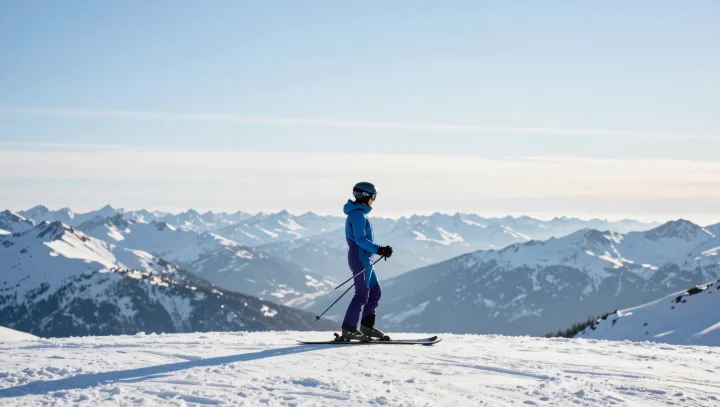
Seemingly small posture errors while skiing can overload the anterior cruciate ligament, turning the knee’s strongest stabilizer into a weak link that often requires surgical reconstruction for a stable return to the slopes.
2026-03-31

Hot tea raises core temperature slightly, triggering stronger sweating and evaporative cooling, which can lower net heat load more than an equally cold drink.
2026-03-25

Prickly pear cactus survives in a dry desert by turning its pads into water tanks, using stomata control, mucilage, and crassulacean acid metabolism to store and protect moisture.
2026-03-26

Most major basketball rulebooks allow jump free throws, as long as the shooter releases the ball before landing, because only the feet at release define a legal attempt.
2026-04-02

High snowy mountains often kill not by falls but by high-altitude brain edema, where low oxygen, pressure shifts and leaky vessels quietly swell the brain before classic sickness hits.
2026-03-30