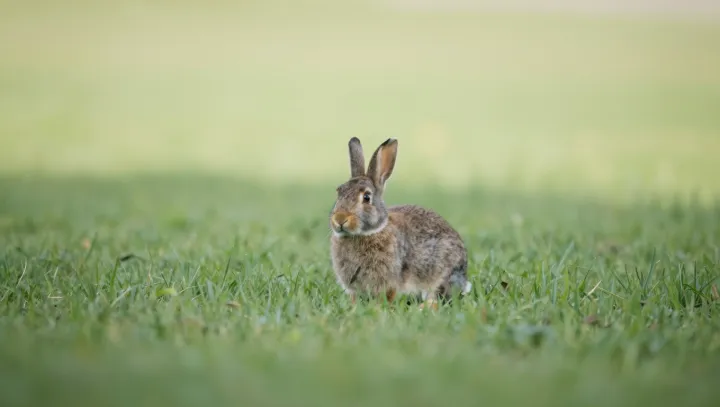
A rabbit crouched over a carcass looks like an error in the script of nature. Yet field reports and camera traps have documented rabbits eating meat, eggs, and even carrion, despite teeth, intestines, and enzymes shaped by a herbivore lifestyle. The behavior is not routine, but it is real, and biology has levers that can flip this switch.
Rabbits run on a tight energy budget, with a high basal metabolic rate and fast growth in many populations. When plants are scarce or low in key amino acids, meat becomes a dense package of protein, fat, and minerals that can plug nutritional gaps. This is opportunistic feeding rather than a full redesign into a carnivore: the gut is still structured for fibrous plant matter and cecotrophy, not for regular bone and tendon.
Stress, crowding, and sudden diet shifts can also disrupt the gut microbiome, changing how nutrients and nitrogen are processed. That microbial community, together with hormones that signal hunger and deficiency, can bias a rabbit toward trying any available calorie source, including meat. Evolution rewards survival, not ideological purity about diet, so a rigid herbivore blueprint leaves room for rare, tactical acts of predation when the grass economy collapses.