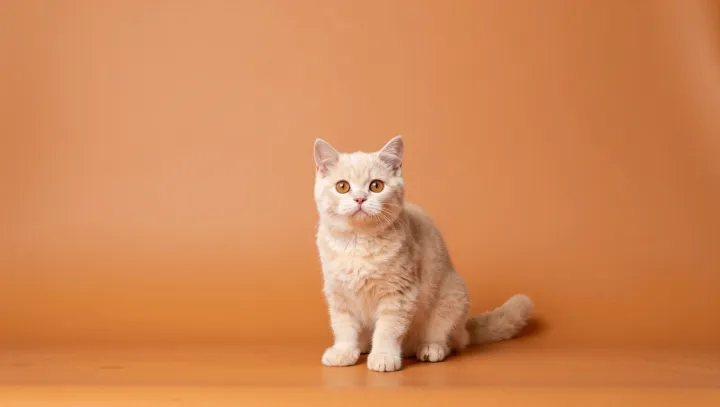
A quiet apartment, a noisy family house, a new city: some beginner‑friendly cats move through all of it with the same slow blink and steady tail. Their stability is not magic but biology layered over experience. Behavioral genetic studies show that baseline temperament is strongly heritable; certain alleles bias a cat toward lower fearfulness and higher sociability, setting a calm default before any training or socialization takes place.
Under stress, that genetic template meets the machinery of the hypothalamic‑pituitary‑adrenal axis, which governs cortisol release. In naturally calm cats, this axis often shows a lower peak response and faster negative feedback, keeping cortisol and sympathetic nervous system arousal in a narrow band. That controlled stress reactivity means that novel sounds, smells or furniture layouts rarely push them past their behavioral threshold, so routines can shift without triggering chronic hypervigilance or avoidance.
Early socialization then locks in much of what the genome and endocrine system make possible. Kittens that encounter gentle handling, varied environments and predictable reinforcement during sensitive periods build robust neural circuits for habituation and fear extinction in the amygdala and prefrontal cortex. When those circuits meet a low‑reactivity stress system and a genetically easygoing temperament, the result is a behavioral profile that looks almost unshakeable, even as the external world keeps rearranging itself around the cat.