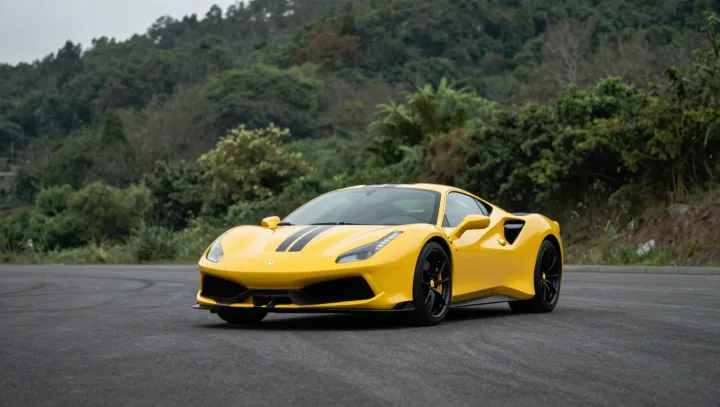
The steering wheel is no longer in charge. Hidden control units, not chrome and steel, now define what a car is and how it behaves on the road. Dozens of electronic control units act like a distributed data center, linked by CAN and Ethernet networks that shuttle sensor feeds, driver inputs and cloud commands through the vehicle shell.
This shift means a car does not just move; it observes. Surround-view cameras, radar and ultrasonic sensors stitch a 360 degree field, feeding advanced driver-assistance systems that rely on sensor fusion and computer vision pipelines. Lane keeping, adaptive cruise and automated parking are only side effects of that constant perception loop, which records how fast you brake, how hard you corner, and where you tend to stop.
More unsettling is the memory. Vehicles now log behavioral data to onboard storage and, in connected trims, sync it to back-end servers that run machine learning models to infer preferences and risk profiles. Seat position and playlist choices are the friendly face of this profiling; insurance scoring and targeted offers are the commercial core. What looks like comfort is also monetization of your driving signature.
The boldest change sits in the update channel. Over-the-air firmware delivery lets automakers rewrite the operating logic of power management units, braking controllers and infotainment stacks while the car is parked, using cryptographic signing and secure boot to keep that process within their own closed-loop. The metal in your driveway now behaves less like a fixed machine and more like a deployed endpoint in a software fleet.