Bad luck, not joy, first framed the double yang date. In early cosmology, the repeated odd number was read as a numerical spike, an excess of active energy that could tip into disaster if left unmanaged.
What looks like superstition now was a rough public health instinct. To counter that imagined excess, people went uphill, away from damp lowlands linked with infectious disease, and into moving air and stronger light. Respiratory physiology and circadian biology both agree: altitude walks, sunlight exposure, and moderate exertion help vascular elasticity, glucose regulation, and mood stability.
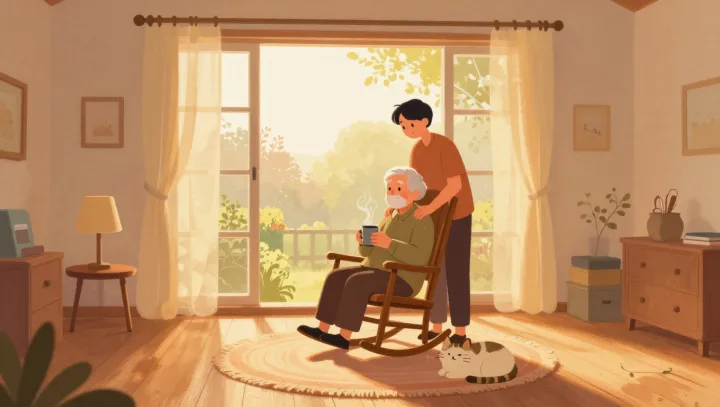
Even the chrysanthemum cup, once poured as symbolic protection, hides a sober pharmacology. The flower carries flavonoids and antioxidant compounds that support endothelial function and reduce oxidative stress, mechanisms that modern cardiology tracks in controlled studies. The drink is mild, the social contact around it less so: conversations with the oldest generation create informal geriatric screening, surfacing issues in mobility, cognition, and nutrition long before any clinic visit.
Out of a feared date has grown an annual check on the human body and on family systems. The climb tests balance and lung capacity, the wine tests moderation, the visit tests whether the oldest are still fully seen.