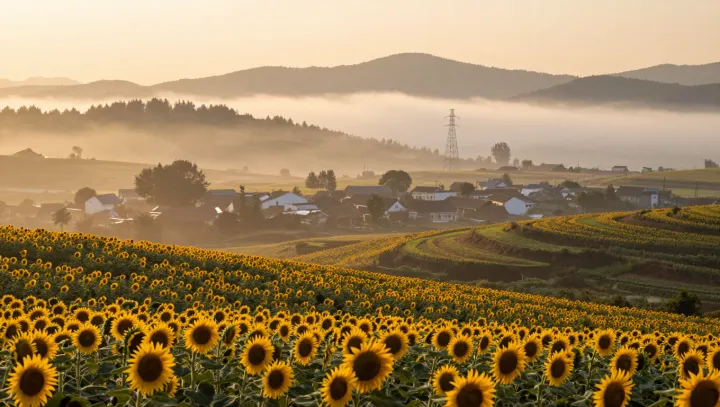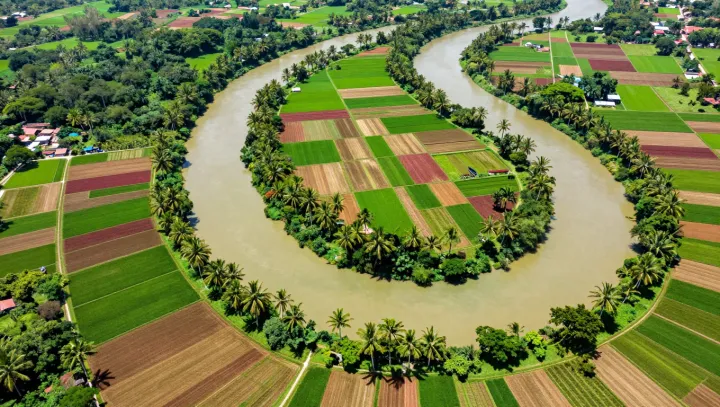
The planet is not full; the system is broken. Fields today produce enough calories to nourish far more people than are alive, yet hunger persists because production capacity is not the same as accessible food for the poor.
Soil is the first quiet constraint. Short rotation cycles, monoculture, and heavy nitrogen fertilizer strip organic matter and disrupt cation exchange capacity, so yields depend on ever higher inputs rather than stable fertility, locking some regions into stagnation while others intensify.
Water draws the second hard line. Irrigated breadbaskets drain aquifers faster than recharge, and altered river flow cuts downstream irrigation potential, so extra theoretical hectares on paper do not translate into reliable transpiration and crop growth where underfed people live.
Energy then sets the real ceiling. Modern harvests rely on the Haber–Bosch process and diesel supply chains; as energy prices rise, marginal land becomes unprofitable to farm, and food moves toward affluent markets that can leverage purchasing power, not toward those with empty plates.
Politics finally decides who eats. Export bans, farm subsidies, land grabs, and conflict turn food into a zero-sum bargaining chip, so grain stored in silos or diverted to biofuel can coexist with hunger, not because Earth lacks capacity, but because power hoards it.