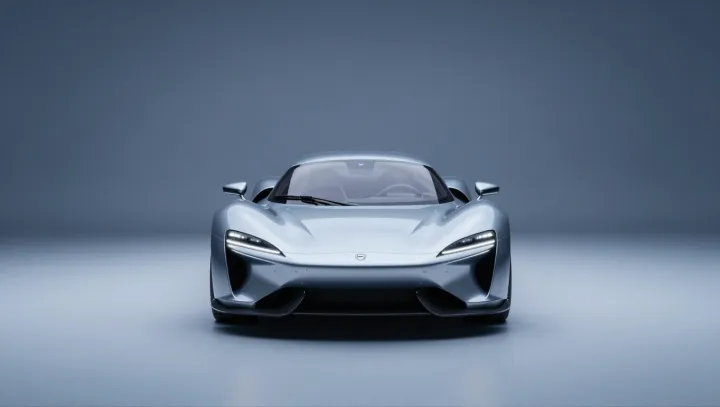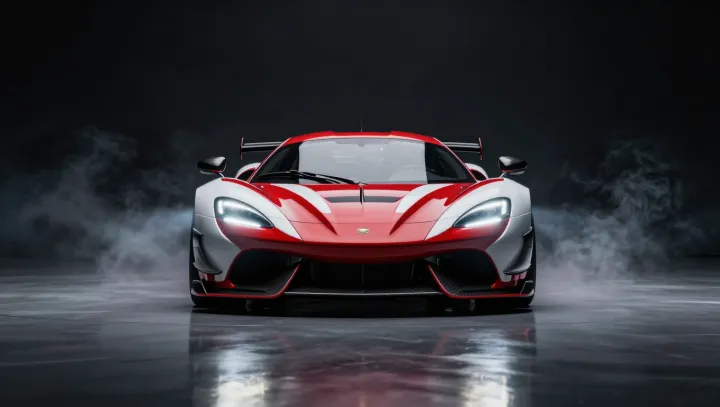
A screaming intake note, not a dyno graph, defines the Lamborghini SC20. Under its open sky cockpit sits a naturally aspirated 6.5‑liter V12, a layout many rivals have abandoned for smaller turbocharged units. Where others prioritize emissions and packaging, this car treats throttle response and acoustic drama as non‑negotiable hardware.
That choice is not nostalgia; it is brand strategy. Lamborghini uses a large displacement, high‑revving V12 with variable valve timing and advanced engine management to preserve linear torque delivery and instantaneous response that turbocharged engines, with their boost‑control plumbing and intercoolers, still struggle to match. The absence of forced induction keeps exhaust backpressure lower, lets engineers chase high redline figures, and delivers a sharp, predictable load curve that suits a track‑biased chassis.
There is a regulatory trade, of course, and Lamborghini pays it in volume, not character. Limited production means the SC20 can absorb stricter emissions and noise limits through careful calibration, particulate filters, and precise fuel injection rather than a fundamental downsizing. Where mass‑market supercars must optimize fleet averages and cost, this car leverages exclusivity to protect an old‑school combustion layout that functions as rolling brand equity.