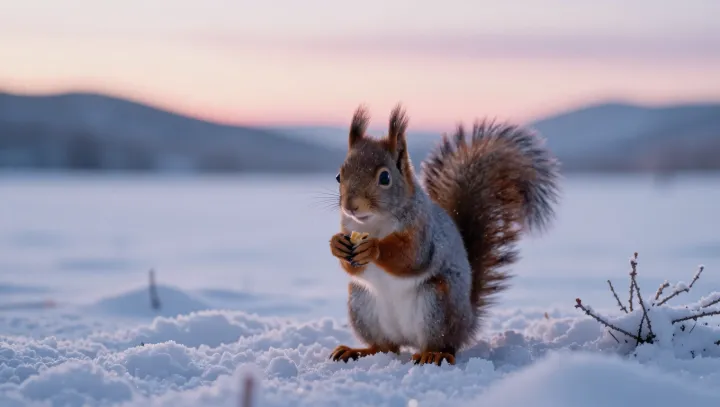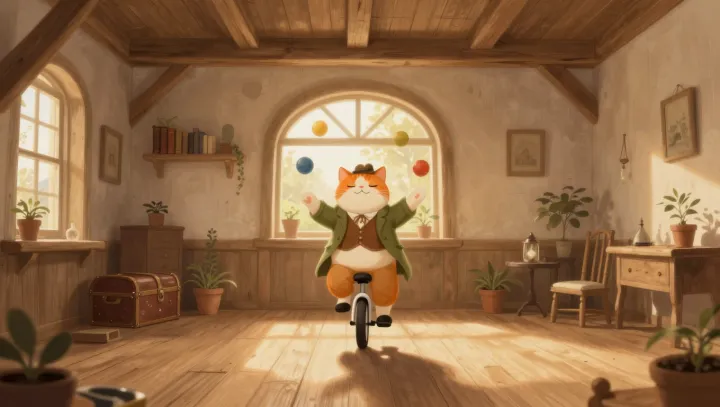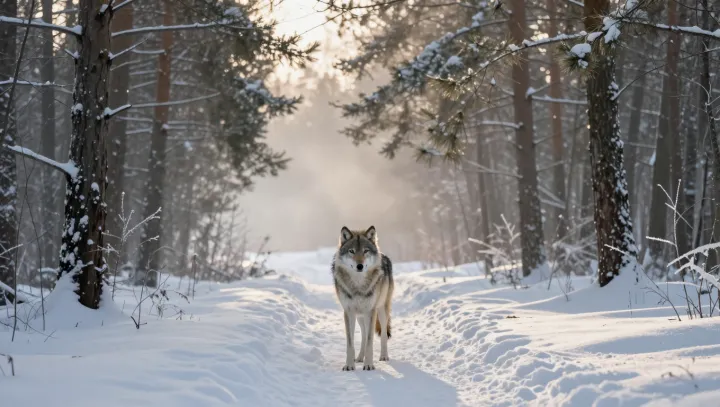
An otter’s knitted scarf, not some grand cosmic drama, shows how ruthless light physics really is. Each loop of yarn is sampled by ray tracing, which fires paths from a virtual camera through fur fibers and fabric threads, solving the same rendering equation that governs a hazy digital sunset over water or glass.
The surprising part is not that it looks soft. The surprise is that softness is just math on surface response, with a BRDF defining how microfacets on a single hair scatter incoming energy while a separate BSSRDF handles the slight bleed of light across skin and fabric, all driven by energy conservation and Monte Carlo integration in a unified pipeline.
Sunsets, oddly enough, play by identical rules. That orange glow inside a volumetric cloud and the warm fringe around backlit fur both come from volumetric scattering, where phase functions, absorption coefficients and multiple scattering terms decide whether a ray dies, bounces or leaks color into the scene, closing the loop between character rendering and atmospheric optics.
So the otter is not a cute exception to physics; it is a stress test. When furry silhouettes, knitted fibers and distant sky gradients all converge under one light-transport model, the illusion stops being a trick and starts behaving like a controlled experiment in digital radiometry.