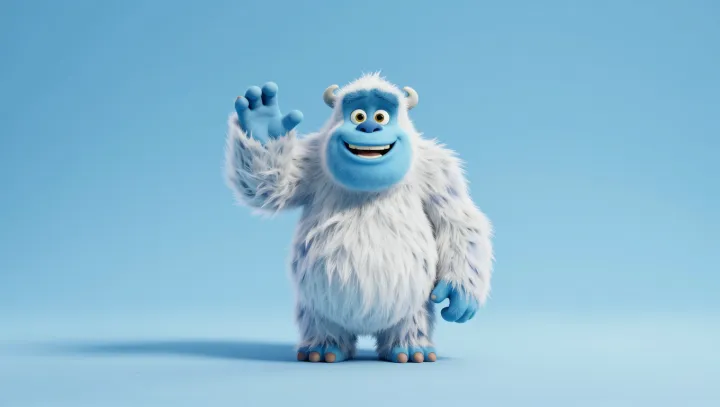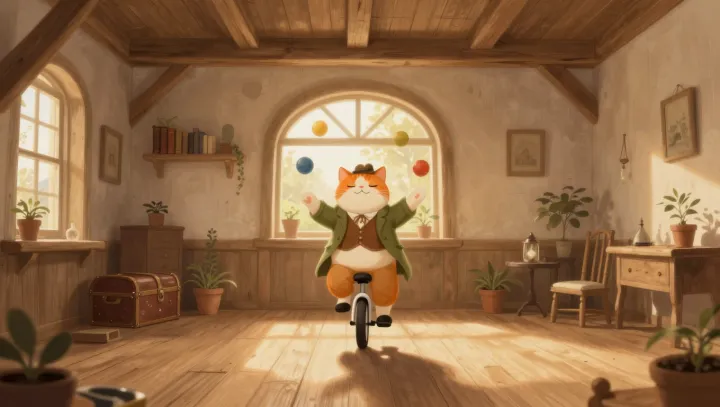
That fox on a unicycle is not cute; it is a precision weapon aimed at your midbrain. Bright colors, absurd motion, tight framing, each feature hits neural circuitry that evolved to flag rare, unpredictable events as urgent, rewarding, and worth storing.
The oddity wins. A cartoonish fox balancing on one wheel creates high novelty and strong reward prediction error, both tracked by dopaminergic neurons in the ventral tegmental area and projected into the striatum. The clip compresses surprise, pattern break, and resolution into seconds, so dopamine spikes sharply instead of dribbling along, which biases the hippocampus to tag that moment as emotionally loaded and easier to retrieve later.
The documentary loses the sprint. Its information density relies on prefrontal cortex and working memory, systems that tire quickly and leak details unless you rehearse them. Long stretches of similar shots and steady narration reduce stimulus variability, so phasic dopamine responses flatten, even if the content is intellectually rich. Your attentional bottleneck, limited by neural firing rate and metabolic cost, defaults to conserving resources, treating much of the runtime as background noise.
The short clip also cheats on emotional salience. Playful movement, exaggerated expressions, and rapid cuts recruit the amygdala and visual cortex in lockstep, creating a tight association between pleasure and a single, simple image. The documentary spreads its value across many scenes and concepts, diluting the emotional charge per frame. Memory does not reward effort; it rewards intensity per unit time.