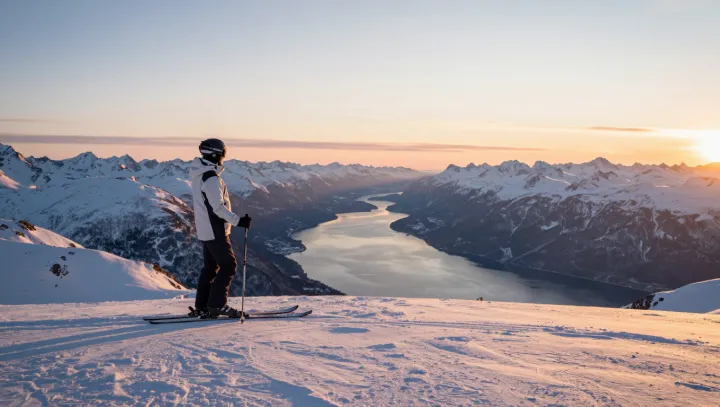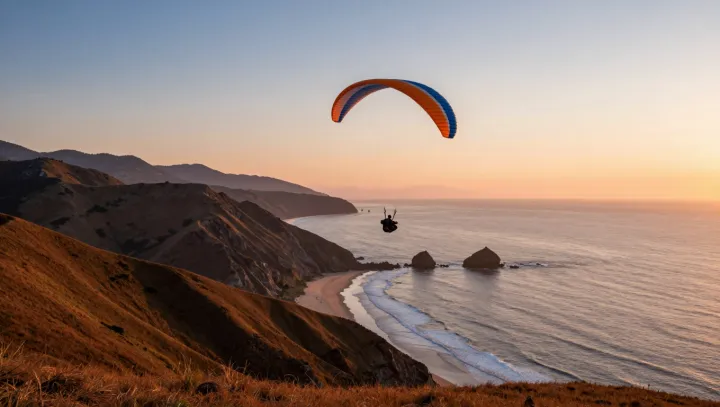
Beneath those soft hills, the noise wins. Wildflower slopes often sit above ski lifts, service roads, buried cables, or military test ranges, where turbines, compressors, and tracked vehicles punch through the quiet like artillery of convenience.
Adventure, in this setting, becomes a manufactured scarcity. The more the ridgeline is cut by access tracks and fiber conduits, the easier it is to reach, yet the harder it is to feel alone; field biologists describe the same zones with terms like acoustic masking and habitat fragmentation, as engine noise scrambles bird calls and pushes mammals into steeper, poorer ground. What many visitors read as untouched is often a carefully maintained compromise, where erosion control mats, retaining walls, and diesel generators sit just out of frame, propping up the illusion of raw country while draining its margins of actual wild behavior.
The modern appetite for risk exploits this contradiction. Climbers clip into bolted routes drilled beside old quarry scars, trekkers follow GPS tracks that ride along decommissioned haul roads, and trail runners chase solitude on paths graded for maintenance crews, their sense of exposure built on the safety net of radio towers and rescue helicopters. That tension between fragile ecology and improvised hardware does not just support adventure tourism; it defines it, turning every quiet meadow with a hidden engine into both a stage and a warning.