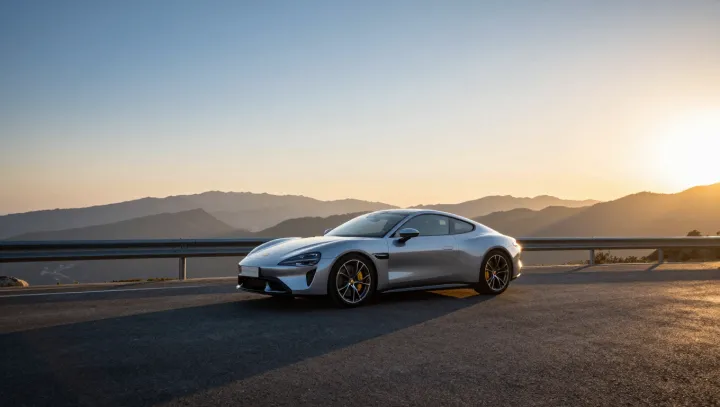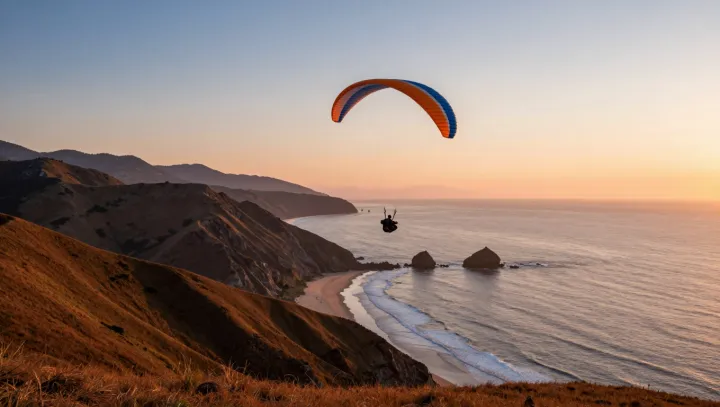
Empty sky can feel safer than a living room. For people wired that way, the couch is where looping thoughts attack, while a paraglider thousands of feet up finally quiets the internal noise.
At work is a harsh bias: the brain fears what it cannot predict or influence more than obvious physical risk. Clinical studies on anxiety show the amygdala and prefrontal cortex react more violently to ambiguous social stressors than to controlled exposure to height or speed, especially when a person has trained for that activity and trusts their gear.
Adrenaline helps. Short spikes of epinephrine and norepinephrine narrow attention, shut down rumination and boost motor focus, something sports psychologists leverage under the label of flow. On the couch, by contrast, cortisol drips for hours, driven by abstract worries about work, money or relationships, with no clear action to take and no defined end point.
The real twist is control. In the harness, hands on the brakes, the pilot reads thermals, runs checklists and sees immediate feedback, which strengthens perceived agency and dampens learned helplessness. On the sofa, staring at a screen, many feel like passengers in their own life, and the body treats that passivity, not the cliff edge, as the bigger threat.