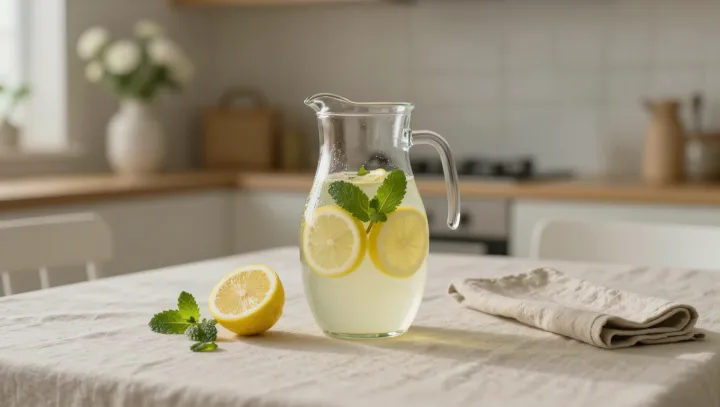
That lemon mint glass is not more hydrating. It is more persuasive. Before the liquid even hits the stomach, olfactory receptors and taste buds fire, pushing the brain’s reward system to label this sip as high priority intake, even though its osmotic effect on body fluids is almost the same as plain water.
The stronger pull starts in the mouth. Bright acidity and menthol cooling drive gustatory signaling and trigeminal nerve activation, which in turn amplify salivary secretion and make dryness feel briefly worse, not better, so the urge to keep drinking spikes. Plain water barely stimulates these pathways, so the contrast between pre-sip dryness and post-sip relief feels smaller, even at equal volumes.
The brain also cheats on the math. Flavor intensity and aroma act as a heuristic for expected fluid payoff, biasing hypothalamic osmoregulation and gastrointestinal feedback; the system treats a flavored drink as if it were a more effective fix for plasma osmolality, despite identical actual water content. That mismatch between sensory promise and physiological reality is what keeps the lemon mint pitcher empty faster than the plain one.