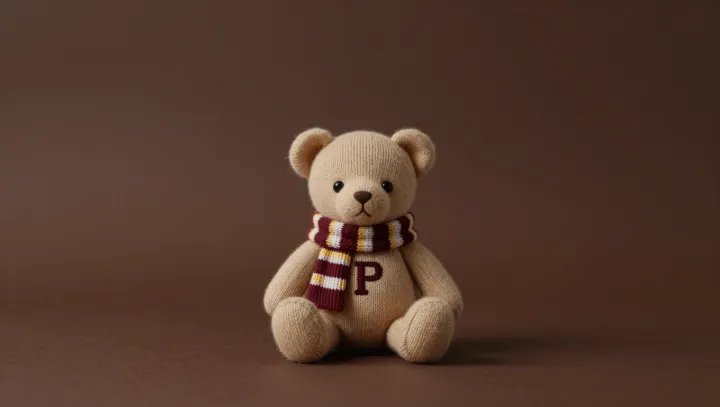
A stuffed bear, not a policy speech, did the lasting work. Created as a jab at a president’s mercy toward a cornered animal, the toy migrated from political cartoon to nursery shelf, then into hospital wards where its soft presence began to be measured instead of mocked.
The real surprise is not that children cling to toys, but that the effect shows up in physiology. When researchers tracked cortisol levels and heart rate during needle sticks or imaging exams, children holding a familiar stuffed animal, often a bear, showed lower stress markers and reported less pain on standardized visual analog scales than peers without that anchor.
Clinicians now treat the bear less as decor and more as low-tech equipment. In studies of procedural pain, combining distraction techniques with a toy reduced reliance on pharmacologic analgesia and moderated activation of the sympathetic nervous system, supporting the idea that perceived control and attachment objects can modulate nociception in developing brains.
What began as satire of power now functions as a buffer against it. In the fluorescent chill of a treatment room, a small bear on a child’s chest quietly holds the line between clinical necessity and emotional overload.