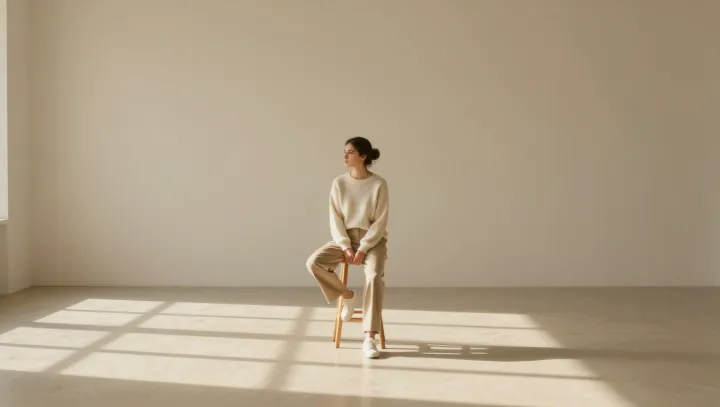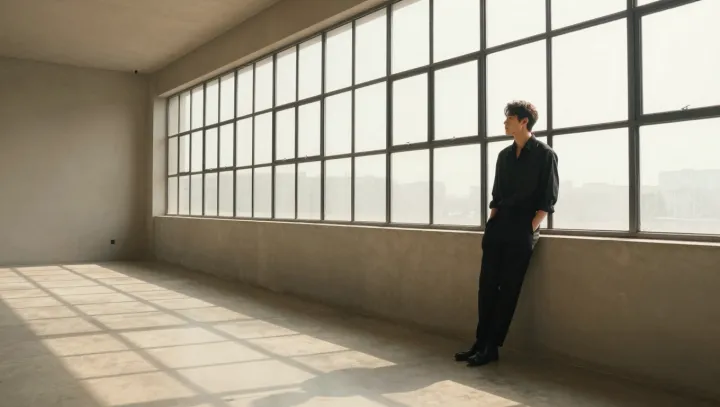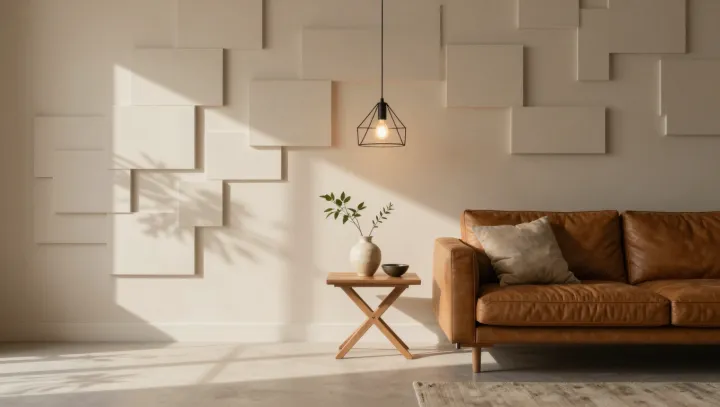
A half empty room is not a design failure; it is a nervous system strategy. Warm pendant light, a single leather chair and a bare side table do something expensive decor rarely manages: they stop the brain from working overtime. Visual cortex activity drops when the field is simple and predictable, cutting the number of objects that attention must scan, rank and ignore.
The stress cut is physical, not poetic. Fewer edges and colors mean less sensory processing, which lowers cognitive load and dampens the hypothalamic pituitary adrenal axis, the chain that pumps out cortisol. A warm light source nudges melatonin and circadian rhythm toward rest, while one defined seat creates clear spatial affordance: here you sit, there you pause, nothing else demands action.
The paradox is blunt. High budget styling often buys anxiety, not ease, because every extra vase, print or side chair becomes a tiny decision node. Approach, dust, adjust, admire, or ignore. Each option lights up prefrontal circuits already tired from screens and alerts. A warm pool of light on leather, with an empty surface beside it, offers the opposite: a single cue, a single behavior, and a room that finally stops talking back.