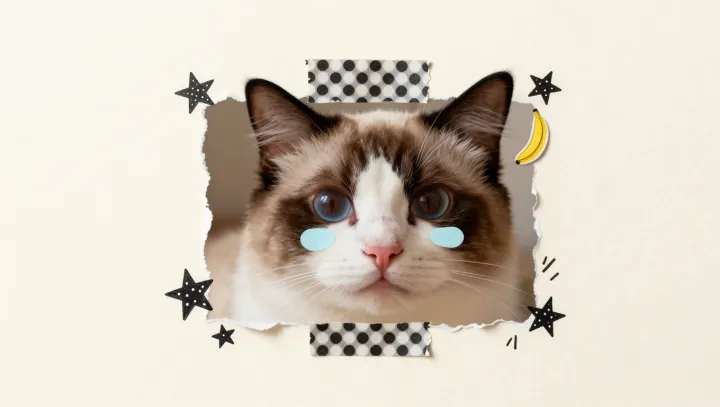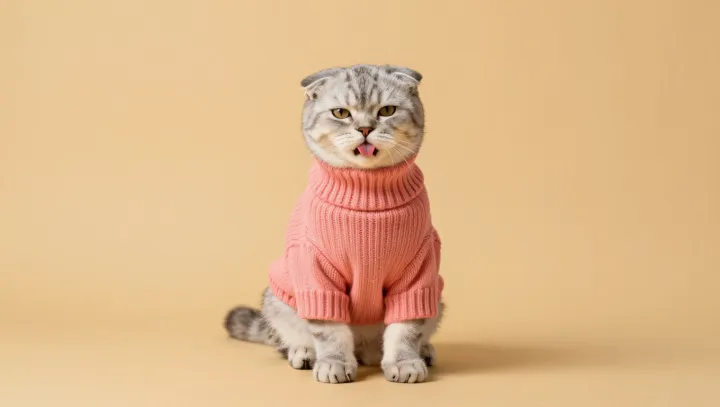
The illusion is powerful. A kitten's tiny pink tongue, flashing during a yawn or a grooming session, reads as candy-like to human eyes because its color, scale, and soft surface trigger an emotional shortcut. Biology has no such sentiment. The tongue is built for feeding, grooming, and sensing food, not for judging dessert.
Cats are biochemical holdouts. Their taste buds contain receptors for salty, sour, bitter, and umami compounds, yet the sweet-detection system is broken: the Tas1r2 gene, which helps form the Tas1r2-Tas1r3 sweet receptor, is nonfunctional in domestic cats and their close relatives. Sugar can touch the tongue. It does not send the expected sweet signal through gustatory neurons. A cat may still pursue ice cream, but fat, scent, texture, or habit usually explain the interest better than sugar.
That mismatch is more revealing than cute. The kitten tongue works like a device with a missing sensor: its taste buds process several chemical inputs, while sweetness never reaches the circuit because receptor pseudogenization removed the needed molecular component. Evolution did not leave a flaw; it cut an unused channel in a meat-focused diet. As artificial palates become more selective, feline biology offers a sharp forecast: sensory systems may grow more efficient not by adding signals, but by refusing them.