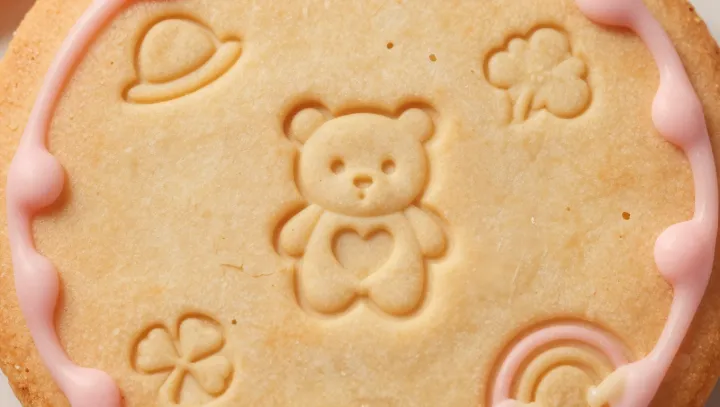
A cookie's snap is less durable than it looks. As it rests on a counter, sugar draws water vapor from surrounding air, and the dry, brittle structure that once fractured cleanly begins to yield. The change is not drama. It is hygroscopicity at work, quiet but relentless.
This is a packaging failure disguised as a baking flaw. Moisture adsorption raises water activity within the cookie, while absorbed water plasticizes its carbohydrate matrix; as molecular mobility rises, the glassy state associated with crisp fracture gives way to a softer, leathery bite. No oven error is required. In food science, water activity describes the fraction of water free enough to participate in physical change, rather than merely the total water present. Humidity alone can supply the trigger, especially when a package is opened, resealed poorly, or left exposed long enough for vapor pressure to drive equilibration.
Crispness is a temporary contract, not a permanent trait. A food can appear dry yet lose its desired bite, because a modest moisture shift can produce a sharp sensory change. Barrier films, tight seals, and desiccants do more than preserve a pleasant sound: they slow the moisture transfer that rewrites texture after baking. The bargain is plain. A cookie can leave the oven dry, yet, under an ordinary kitchen's invisible weather, return by morning as something else entirely: intact in shape, defeated in spirit.