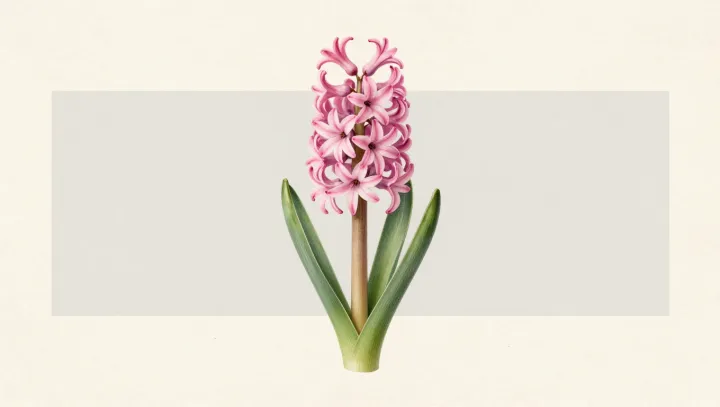
Hyacinth bulbs carry a built‑in winter log that decides whether spring is real. If they do not accumulate enough cold, they will not send up blooms, no matter how generous the light or water later in the season.
This memory is not mystical; it is encoded in plant physiology. Inside the bulb, exposure to low temperature reshapes hormone balance, especially levels of gibberellin and abscisic acid, and rewires gene expression linked to meristem development. Biologists group this cold‑tracking process under vernalization, a mechanism that gradually converts temperature exposure into a biochemical threshold. Until that threshold is crossed, floral initiation remains locked, even if photosynthesis and basic metabolic rate run normally in the leaves.
The system functions like a hardware timer in a microcontroller, but its substrate is protein folding and chromatin remodeling in bulb tissues. Each stretch of chilling pushes the internal state forward, incrementing molecular switches rather than digital registers. A brief warm spell can allow leaves to emerge, yet flowering stays offline because the vernalization counter has not completed its cycle. For growers and breeders, understanding this cold‑dependent logic has become central to programming reliable displays, from home gardens to large‑scale forcing operations.