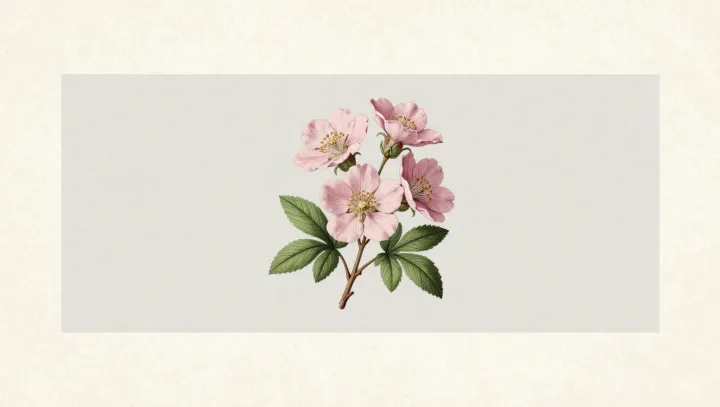
A modest wild rose from eastern North America now sits at the center of countless garden pedigrees. Known to botanists as Rosa virginiana, this shrub carries a compact set of traits that breeders have treated as a kind of biological toolkit for fragrance, resilience, and flower timing.
The breakthrough lies in its genome. R. virginiana contributes alleles that shape volatile organic compound pathways, the biochemical circuitry behind classic rose scent. It also supplies robust cold tolerance, tied to cell membrane stability and controlled dormancy, which improves winter survival when introgressed into showier hybrids. Just as a single line of code can change a software platform, this one species, through its chromosome structure and gene expression patterns, shifts the entire performance profile of modern roses.
Its influence extends to remontancy, the ability to rebloom instead of following a single reproductive cycle. By altering photoperiod response and floral meristem regulation, R. virginiana helps turn once-a-year bloomers into repeat performers for ornamental landscapes. Many famous cultivars no longer resemble the wild shrub in form, yet their fragrance chemistry, stress physiology, and flowering rhythm still trace back to that unassuming rose on a North American hillside.