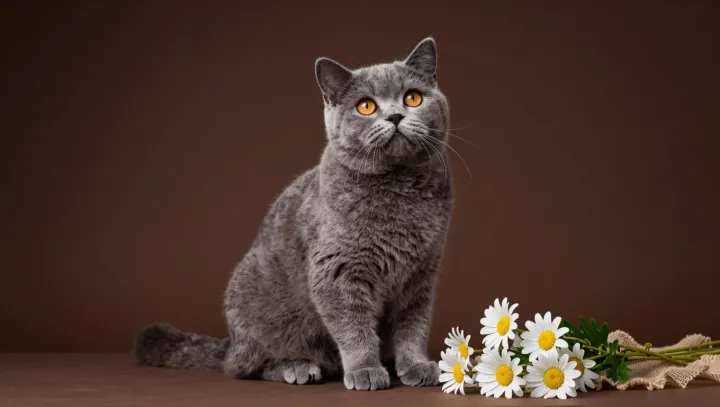
Silent signals, not constant petting, may be the real gateway to a cat’s affection. Ethologists studying feline social behavior describe a structured system of cues built on eyelid movements, lateral body postures and scent exchange rather than direct touch. For cats, this low‑noise channel manages tension, defines personal space and negotiates access to shared territory.
The slow blink, sometimes called a “half‑eye closure,” functions as a visible parasympathetic cue, advertising safety and low arousal. When humans mirror it, experiments report higher approach rates and longer proximity times, metrics often used as a proxy for attachment. Instead of looming frontally, a side‑body approach reduces perceived threat, exploiting the same risk‑management logic seen in agonistic buffering and flight‑distance studies across mammals.
Scent communication adds another layer. Through facial rubbing and flank contact, cats deposit chemical signals from sebaceous glands, building a shared odor profile that acts as a social “metadata layer” over territory. Behaviorists argue that allowing controlled scent transfer via objects or clothing may shift the cat’s cost‑benefit calculus more than extra treats do, altering its internal marginal utility of contact. For humans, learning this quiet grammar turns cat companionship into an exercise in cross‑species diplomacy rather than simple reward delivery.
In the stillness between two blinks and the soft brush of fur against fabric, affection becomes something negotiated, not imposed.