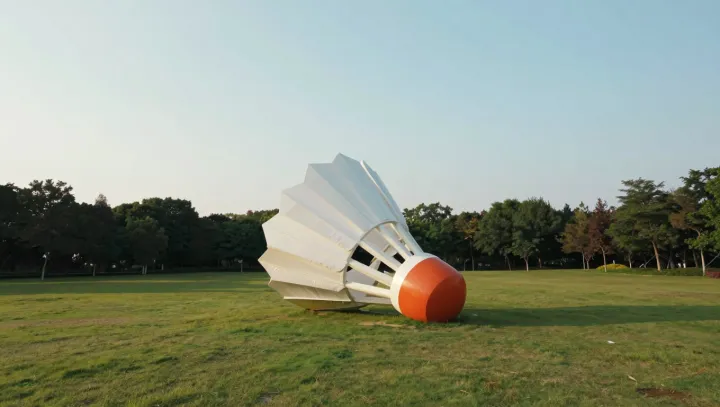
The shuttle floating over the net hides a workload closer to interval training than a lazy backyard game. Short rallies, explosive lunges, and abrupt stops form natural work bouts, each spike in movement driving heart rate and breathing before a brief reset between points.
During intense play the cardiovascular system pushes higher stroke volume and cardiac output as players accelerate, decelerate, and change direction in seconds. These repeated surges challenge maximal oxygen uptake and ventilatory capacity in patterns that resemble structured high intensity intervals, yet the playful rally keeps perceived exertion lower than a treadmill protocol.
At the same time, the nervous system runs near full bandwidth. Rapid visual tracking of the shuttle engages visuomotor processing, while split second decisions call on motor unit recruitment and neuromuscular coordination. The constant unpredictability of angle, speed, and spin compresses decision windows, sharpening reaction time without the monotony or mental fatigue of formal drills.